1,290 words
Time of writing, June 1st, 2026
What started out as a beautiful November evening turned into one of endurance and of trying one’s patience. I had a meeting cancellation within the city’s core, and took the opportunity to meet a friend I had not seen in a number of months. I was basking in a city as it transitioned from the burdens of the working hours into those of general extrication, as the dramatic autumn light enveloped the chilled air and the smiling cheeks of everyone as they passed me by.
When I met my friend, I suddenly felt ambushed. The next three hours were spent listening to my friend complain about his life, from trivial matters of financial problems to issues with his partner, with whom I am also a close friend. I quietly took photographs of the city as we walked, and after the two hundredth minute, he finally asked me, “How are you?”

I literally had no answer for him. I was numbed by the onslaught of continuous salvos of complaints. I genuinely could not think of anything to share. My mind was pummeled blank. I was thoroughly exhausted. My cognitive resources were depleted, for, as a friend, I did not tune out; I was actively interested in their well-being.
Over the last few months, I came to be aware that I was not alone in being treated as a one-way sounding board for one’s problems over the last few years. Ever since the first wave of lockdowns during the pandemic, the frequency of one voice in a group becoming dominant, sharing only their struggles, has increased. As social groups expanded from in-person settings to virtual spaces, as the decline of third places accelerated, social norms began to shift, and there have been very real consequences.
The issue at hand is that the anguish these individuals shared was trivial. They had not lost a child. They had not lost a partner. They were not diagnosed with a terminal illness. They were simply complaining about difficult team members at work and trouble paying their bills. These very basic, shared experiences that all adults have were drawn out into suffocating monologues, decimating digital and physical spaces in personal and professional spheres.
Effective relationships consist of clear feedback loops where interactions are exchanged and continually gauged. Having one’s main source of interaction with people outside of their household taken away and replaced with virtual ones, if one is fortunate enough to live with other humans, breaks this feedback loop and warps how interactions unfold.

The demise of affordable and accessible third places has had a direct impact on our ability to gauge social scenarios accurately.
Those who are going through a hard time and who generally would have trouble reading others in person grew to treat virtual meeting places, such as video calls and group chats, at first as a dumping ground for their woes. This causes groups who are not forced to be together by professional obligations to splinter and leave behind those who disproportionately consume the room’s oxygen with only their current challenges. Naturally and expectedly, this causes friends to drift apart, but it also leaves behind a culture of blame on those who are unaware of how their constant toxicity and negativity impact others. Misunderstandings run rampant as people drift apart with no explanation for fear of unnecessary conflict.
This truly becomes a problem when these individuals treat in-person interactions with the same tact and do not bother to engage in the social interaction feedback loop. This presents consequences within social standings, such as the person I saw last November, for I have not seen them since and do not plan to. Overburdening others in such a manner does inflict damage upon others, and I have no intention of putting myself through that again. Others, like this individual, have also suffered professional consequences of their own doing over the last few years, and this is where it becomes tragic.
There are about a half dozen people in my personal life, and many more outside of it, whom I have witnessed lose their jobs and, in some cases, be forced into retirement – all because they were a “bummer” and would not stop “trauma dumping” on everyone in their surroundings. In every case, they were clueless about why no one wanted to be near them, and even when friends, their boss, or the HR manager told them about their behaviour, they simply added their loss of employment to their list of complaints against those who remained in their lives.
I have had one effective talk, out of many, with someone who got lost in their own trivial and mundane sorrow, but the rest quickly took offence, all sharing a belief that they were being misunderstood and treated unfairly by everyone. There was no ownership of their actions. Out of the half dozen friends whom I decided to speak with, getting through only one was worth the effort. There comes a certain point where people are responsible for their own course in life, and it would be wrong for us to drag ourselves along their journey of self-inflicted misery.
There is one circumstance that it is our duty to stand by the side of friends, co-workers and family members who only seem to be sharing or who are eternally lost in their grief. As mentioned before, those who have lost a child, a spouse to an accident or illness, or who have undergone a severe trauma deserve our support. They do not deserve to have the expectations of ever getting “over” their catastrophic hardship, but at the same time, we should never be expected to replace the role of those who hold the position of a mental health professional.
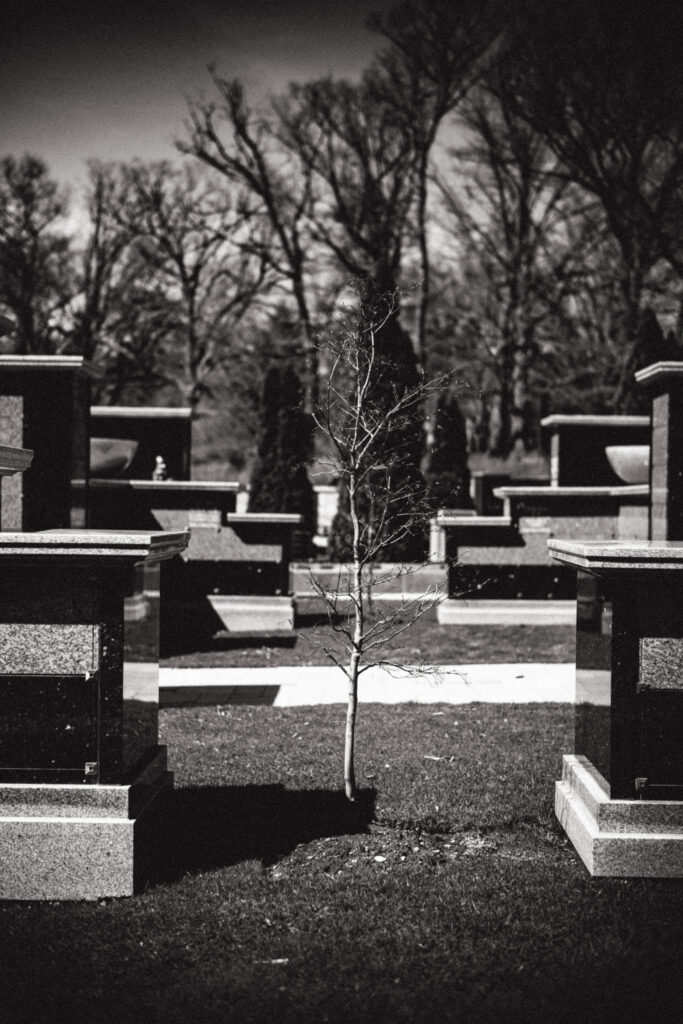
Those who have undergone severe trauma have, for centuries, been ostracised by others for being toxic, and in some cultures, even cursed. Like a bird who has had one of their wings clipped, if we ever cared for them in the first place, it is our duty to ensure that the quality of their life moving forward is the best that we can manage, all the while not endangering ourselves. This is what ultimately separates us from other mammals, who tend to leave behind a wounded or crippled member of their pack. Not our intelligence, sense of play or humour, but our empathy and compassion.
This is where many of us are failing our friends. We are treating normal problems and struggles, such as unemployment, an ill parent, financial troubles, and spousal spats as if they are on the same scale of agony as witnessing the passing of their own child. Every conversation seems to mention one of these issues, and this is fundamentally wrong, for these issues are not severe enough to define a person. Losing a husband or wife just as you have started a young family does define a person. Being neglected by your boss does not. Having an inconsiderate neighbour does not define who you are. And if these trivial matters do define you, then that says a lot about you does it not?
As the period of the loneliness crisis from the pandemic cements itself into the accepted norm, and as we move into a new and protracted period of the affordability crisis, there is a lot more at stake than most people assume. We are not only losing our purchasing power to lead the full lives that we have come to expect in the post war era, but now we are losing our support groups as well through the loss of meaningful interactions with one another. As our personal resources all start dwindling, we are going to have to triage those whom we can help. And if this last year has been any indication from what I have personally witnessed, there are going to be a lot of people left behind and forgotten.
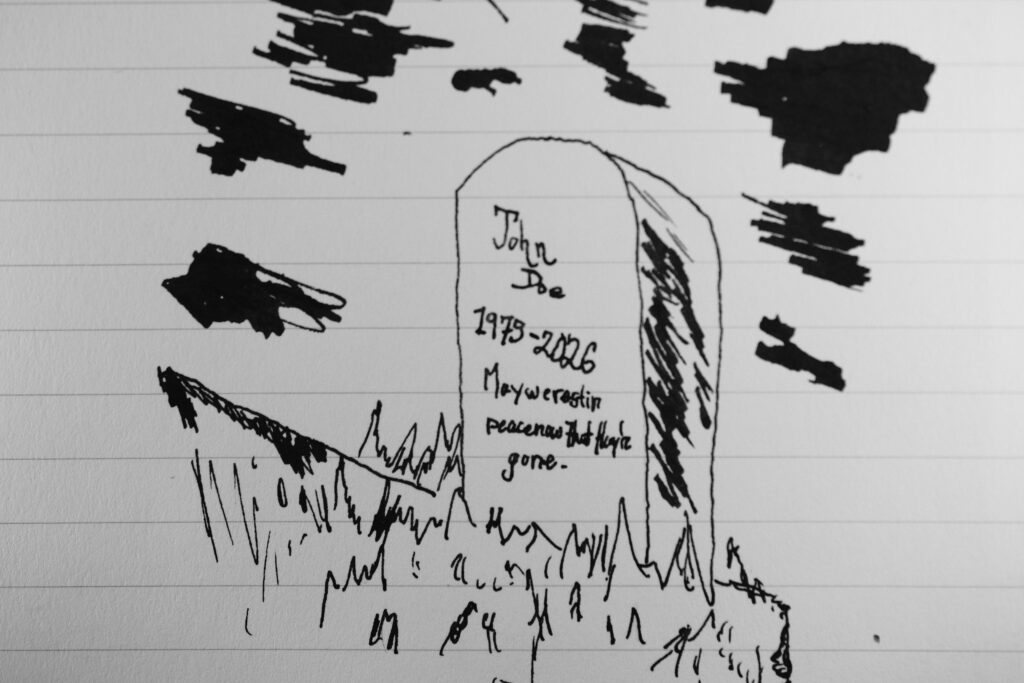
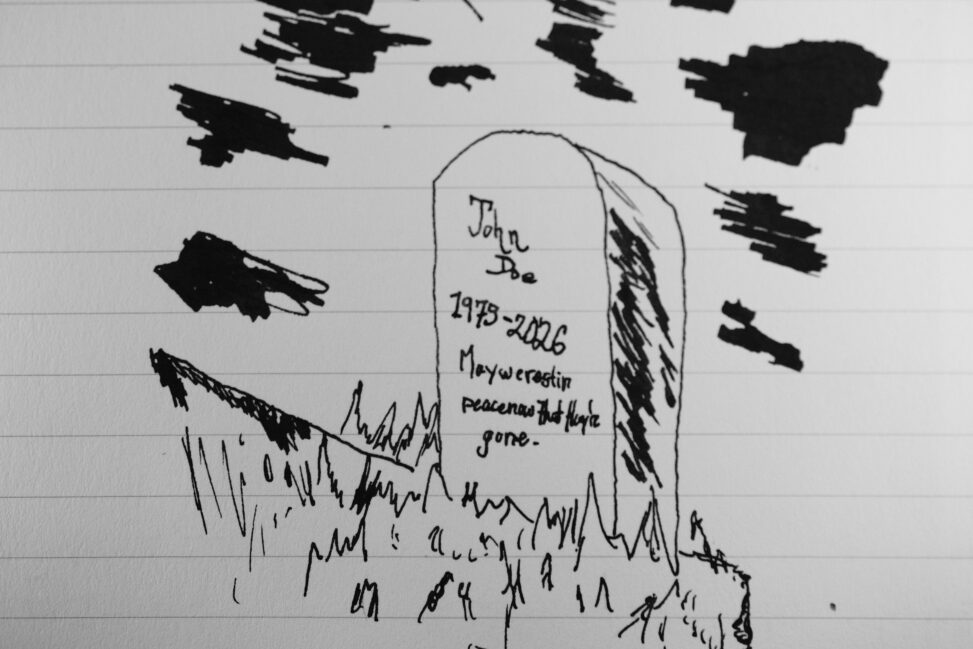
John Doe 1975-2026
May we rest in peace now that he’s gone.