647 words
Time of writing: June 11th, 2026
The insights afforded to someone who works in fields that rely on tools that are also coveted by hobbyists and people who have nothing better to do with their income are not always sought after or taken in. They usually run counter to marketing campaigns, and that of idioms cemented by hobbyists, enthusiasts, and influencers over time, which usually simply support the further consumption of the product in question.
Using watches and cameras in fields that yield results that other people depend on, and that I generate an income from these instruments, has taught me the same valuable lesson that everyone who buys a new car relies on – the servicing infrastructure for the tools that you rely on is one of the most, if not the most important, factor one should take into consideration when buying the tool. Just as being stranded by a closed dealership with one’s car sitting on a tow bed can throw off one’s plans, the same can be said of cameras, dive computers, and, to a lesser extent, watches.
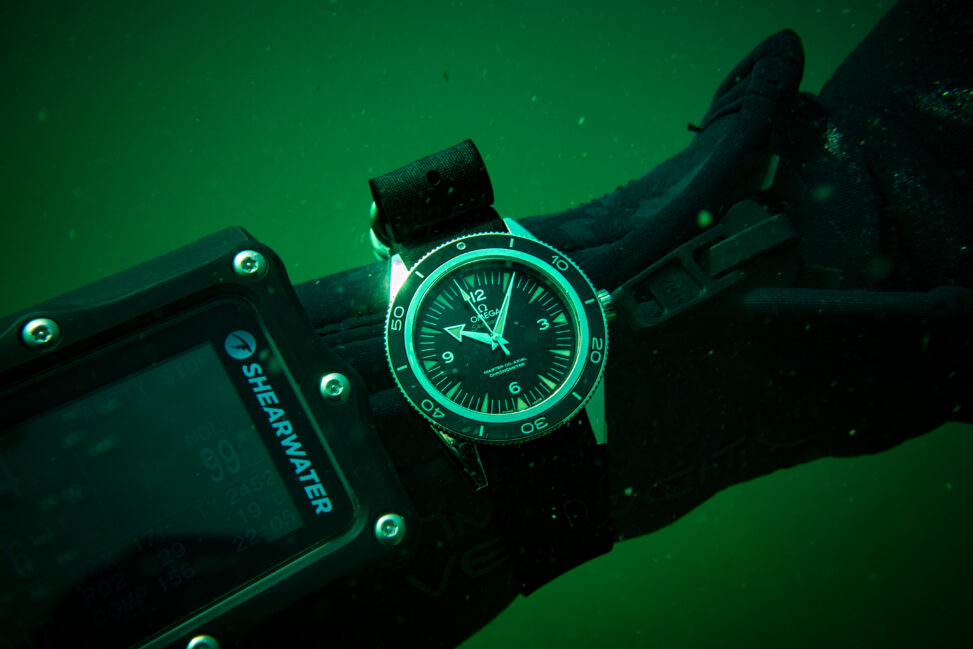
A couple of weeks ago, a student diver, who was a wristwatch enthusiast, noticed my Omega and asked why I dive with it and not something cheaper and my answer was quick and simple: Swatch Group Canada has the infrastructure and parts to effectively service the watch in a timely, predictable, and professional manner; whereas smaller companies simply do not.
This came from experience where, on more than one occasion, I sent out watches outside of Canada for service, only to have the watches return to my house due to several incompetent customs brokers who demanded duties on items being sent abroad for service and repairs. In each case, I had lost $400, and there was nothing that the small brand in the United States could do.
For my Leica cameras, I had on more than one occasion paid nearly and above a thousand dollars to cover the insurance of cameras and lenses being sent in for service because they did not have a service centre here in Canada. My primary camera system is that of Fuji, simply because their service centre is within the country, and the risks and costs of sending sensitive and valued equipment is minimized.
Certain brands, such as Marathon, NOMOS, and Oris, hire third-party watchmakers, usually tied to authorized dealers, to handle their services in a region, but this still presents the issue with not knowing the level of expertise of the technician working on one’s instrument, or that of their parts bin and their relationship with the brand in question as to their priority in receiving said parts.
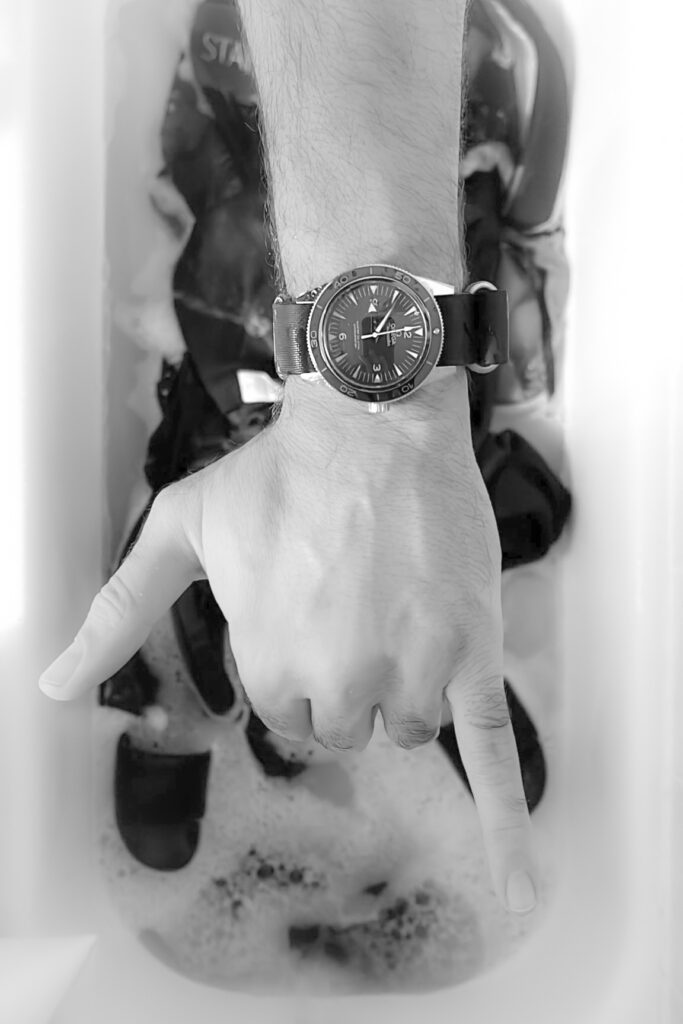
After every day of diving, all gear, including wristwatches, goes through a cleaning, decontamination, and quality-check routine to ensure it is not compromised for the next outing.
As a result, over the years, I have come to use the tools which are effective and that I know can be easily serviced over those which simply cannot. As a final example, Shearwater can diagnose and repair a technical dive computer and have it back in the customer’s hands well within two weeks, whereas Garmin would send the consumer a new unit if it is under warranty, and the customer would have to send their defective or damaged unit to Garmin. As a result, my primary dive computer is from Shearwater, and once my backup/secondary Garmin Descent MKII ceases to work, I will be replacing it with another Shearwater Perdix.
In the many, quite possibly hundreds of conversations I have had with enthusiasts and professionals, the topic of serviceability rarely comes into frame when discussing which tools we use and take into the field with confidence. With the rising costs in every aspect of life, it is time that all consumers, not just professionals, take into account the level of service on offer by the product they are buying, and how comfortable they are with that product being disposable versus one that may be marginally more expensive, but one that can be maintained for many years or lifetimes.