842 words
Time of Writing: August 26th, 2026
Updated: September 7th, 2026
All carbon-based beings on this blue marble we call home can thank their collective existence to their innate ability to adapt. To adapt to changes in their environment, culture, to predatory threats with every passing season. One of the fundamental mechanisms to adaptation, when misaligned with growing threats, can mean the erasure of the entity in question. Just as a fish can grow to the size of its fish tank, mammals such as us humans adapt to what is relative to our own experiences and environments. This can lead to being ill-prepared when threats from abroad encroach, or when extreme threats start to appear within our own habitats.
Predators and exploitative beings rely on the complacency, which have become the norms, of sets of populations to extract their goals and resources from. By testing the waters, they can see the limits of a population’s tolerances, and then maximize their avaricious acts accordingly.
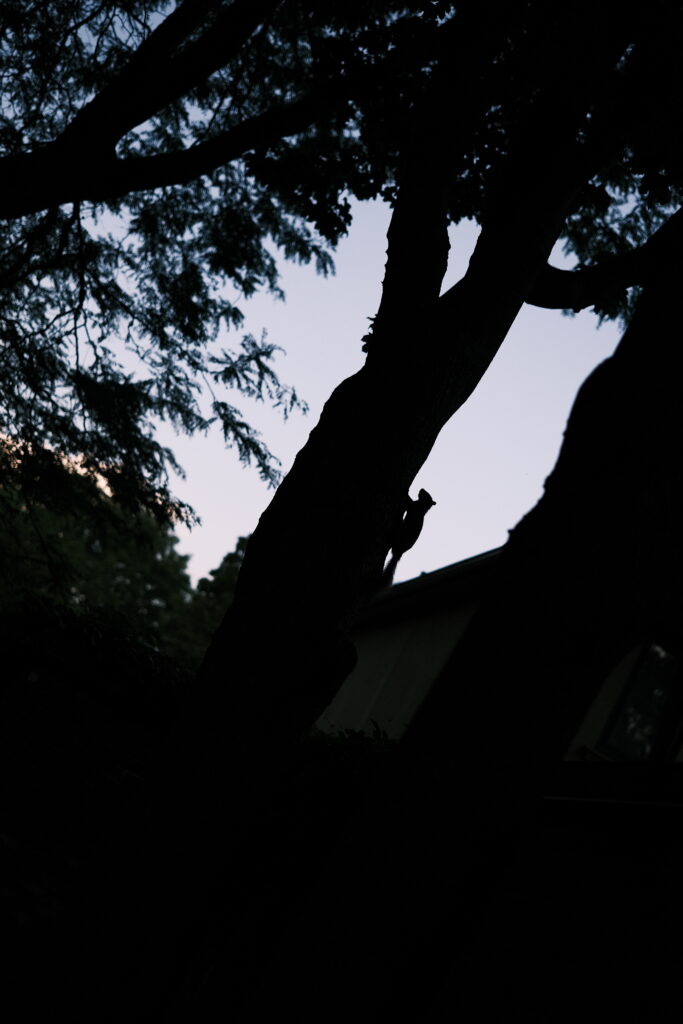
The prime example of this was the threats of using nuclear arms against Ukraine and its benefactors within the full-scale invasion’s first year. Sabre rattling not only signals one’s intent to others, it creates space. Just as a squirrel on a tree hisses at you as you pass it by, you’ll stop, take notice, and hopefully act according to your best interests in staying alive. Unfortunately, most of us in urban areas think the squirrels are talking to us instead of wishing death upon us and everyone who looks like us if we take one more step in its direction.
The danger that comes with such threats in today’s global climate is that it can draw upon examples from elsewhere as to how much further they can take their acts of mass murder and cultural genocide, and directly apply it to their conflicts without ever having to issue the threats to create the space. For the space has already been created.
There are three active conflicts which the aggressors of today can, and hopefully will not, use as their template in escalating their actions against others. These are directly reflected upon the scale of inaction from the global community to the levelling of Gaza and the current escalation in settler violence in the West Bank, the scale of ongoing atrocities inflicted upon the people of Ukraine, and that of the civil war in Sudan.
The last example is the sample that brings into question the limits of when either an electorate or an authoritarian regime would act to stop the suffering of another population far away. The example of Ukraine doesn’t fall into this bracket for the suffering of their people was not only quite visible, but very relatable for their neighbours, and the plight of the Palestinians has long gained a foothold within households in the Arab world to among those in the West.
You’d be easily forgiven for not being aware of the eighteen-month siege on El Fasher resulting in hundreds of thousands of deaths. Facts such as the blood stains from the piles of civilian corpses still being visible from space long after they have been transported to be incinerated have not been reported in detail in accessible news outlets. Neither has the fact that the UAE Global Security Services Group has been paying Colombian mercenaries up to $3,500 USD a month for their services in covering up such atrocities. The main point I would like for you, dear reader, to absorb is that within the first year of this civil war, more than 150,000 civilians were brutally murdered. After the first year, the counting simply came to a halt. In both Gaza and Ukraine, we are still getting daily updates on the lives lost in those conflicts. In Sudan, not even the slightest murmur.
The lessons that can be extrapolated from these visible conflicts are the limits that electorates in liberal democracies and leaders of authoritarian regimes have for atrocities abroad before they act. The lessons from Sudan have shown that mass killings will ultimately demand no further action than a series of protests from the subset of the population which presume to care until their own survival loop of having to contend with the cost-of-living crisis takes over again. The fundamental issue rising after the pandemic is that a conflict in which civilian lives are being targeted and erased is now considered a stalemate. This shift in how conflicts are viewed allows for body counts to stop being counted, and for one side, such as Russia, to throw over thirty thousand of its citizens and mercenaries from abroad into a meat grinder of a frontline to simply become a new normal. This is dangerous.
This spells disaster for the populations in Iran, Taiwan, Gaza and the West Bank, Syria, Iraq, the 600,000 Rohingya remaining in Myanmar, and any other of the many regional sectarian conflicts in Africa. For regardless of the scale of the killings, suffering, and expunction of cultures, the world will not act decisively to stop these atrocities from happening. Even if they are happening to one’s neighbour who looks just like you.