
1,712 words
Time of writing: Wednesday, November 4th, 2026
Note: The other articles in the 2026 Holiday Suite can be found here.
If you’re like me, of course you are for who is not, you read plenty of articles about the dread surrounding seeing family as the holiday season approaches. Not a single one of the dozens, possibly hundreds of articles I have read over the last two decades touched upon an important point on why we cannot stand each other like we used to.
Nearly a century ago, Hannah Arendt had a spat with a friend about the health of democracy in Isreal. She tried to heal the bridges burned between herself and her friend, Gershon Scholem, in a letter writing, “A human being is far more valuable than his opinions.” Unfortunately, as much as the most liberal amongst us would like to think otherwise, this quote has aged as well as a test sample of first World War trench foot in the Sahel sun.
The reason why this has seemed to become such a nuisance recently is because it actually has. Most people would point to the proliferation of the internet, but as always, if you want to get a correct diagnosis to anything, just follow the money, dummy.
The core fundamental backbone of liberalism is that every human life is valued the same. Once again, if you are anything like me, and of course you are, the publications that you have been reading every morning over the last two decades lean centrist by 1991 standards.
The Cambrian explosion of Liberalism that spawned sporadically and vibrantly after the fall of the Berlin Wall also gave forth to aberrations and mutations on liberalism and conservatism that has led to a direct devaluation of human life depending on who is being interrogated, lovingly.
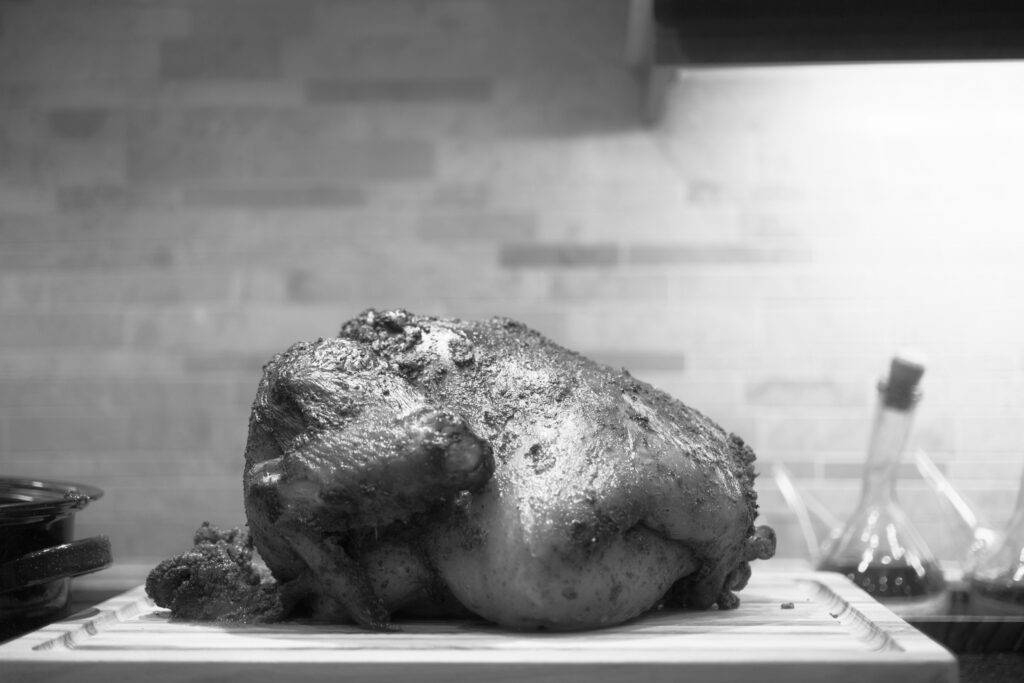
As globalism hit its stride and started blossoming as the world welcomed a more cuddly version of China and Russia, economies grew, as did our comfort with one another. Collectively we gasped and clutched our pearl necklaces at atrocities in the Baltics and Rwanda, only to have such gathering of like empathetic minds start to deteriorate with the ill-advised second war of choice by the Americans in Iraq in 2003, and of course Afghanistan. Suddenly, the cracks veneer on the moral soapboxes upon which western liberal democracies stood on started to show, and these cracks were structural, not merely aesthetic. All that was needed to get to where we are today was discomfort. And nothing causes more discomfort than a shirking savings account. For the Gen Z amongst you reading this, a savings account was a bank account that your elders used to store money for a rainy day.
This discomfort came in the form of the 2008 financial crisis and the wonderfully adorable mortgage-backed securities causing too-big-to-fail entities belly flop in their respective kiddy pools. Suddenly, home ownership was out of reach. That bachelor’s degree you drank your way through meant nothing. You also started to slowly notice that family dinners were starting to become more strained with each subsequent holiday season.
The promises made by the same liberal forces that made the possibility of leasing that Audi with a corporate sales position within reach, after the pandemic were now failing you hand over fist as inflation started taking hold, and opportunities once neglected like your relationship with your parents, started fading. The social contract that we came to expect as a given default, that we were entitled to, started bending until it broke in 2014 after the taking of Crimea by Russia, the 2016 American election, and the cozy collection of horrors from the pandemic. The pandemic supercharged the further degradation in this social contract, thus making room for anti-incumbent political voices to take centre stage, and aimless protests where streets were filled with those who blame their local governments for global forces outside of their control.
A common feature amongst these anti-incumbent political movements is their deployment of revising history to embolden their target demographics – typically identified as ethnonationalism. The drums of national, racial, and religious pride are beat upon, sometimes with joy as the AfD had done over the course of the summer of twenty-six, but this was and is not without consequence.
A key ingredient in rallying against liberalism itself is to instill the notion that not all lives are equally valuable, and that one must treat whoever qualifies as an “other” with suspicion for they are only in your presence to take away what you are entitled to.
Where Mrs. Arendt’s quote fails now is that at least half of any given population has expanded their traditional definition the “other” beyond the genetic guidelines and coding for who we would tribally consider as someone we would be comfortable sharing a campfire a couple of centuries ago. We now take into consideration the opinions and stances that others hold as to whether they are not only human, but even worth considering in any manner.
This goes both ways. Many of my almond milk latte drinking liberal friends’ shudder at the thought of breaking bread with anyone whose views align with the current American administration. The same can be said of my whole milk latte drinking conservative friends who immediately dismiss the liberals across the table and cannot wait to leave.
Matters such as migrants belonging in your country, regardless of if they are fleeing for their lives or if they end up raising your children while you’re at your weekly book club become irrelevant for many, for the people in question are not people anymore – they are either assets to be used, or threats to be neutralised if and when the opportunity arises. They are burdens, threats, and at best play a supporting role like a discount bra thrifted from a rural garage sale where clean tap water has not been a priority in at least one generation.
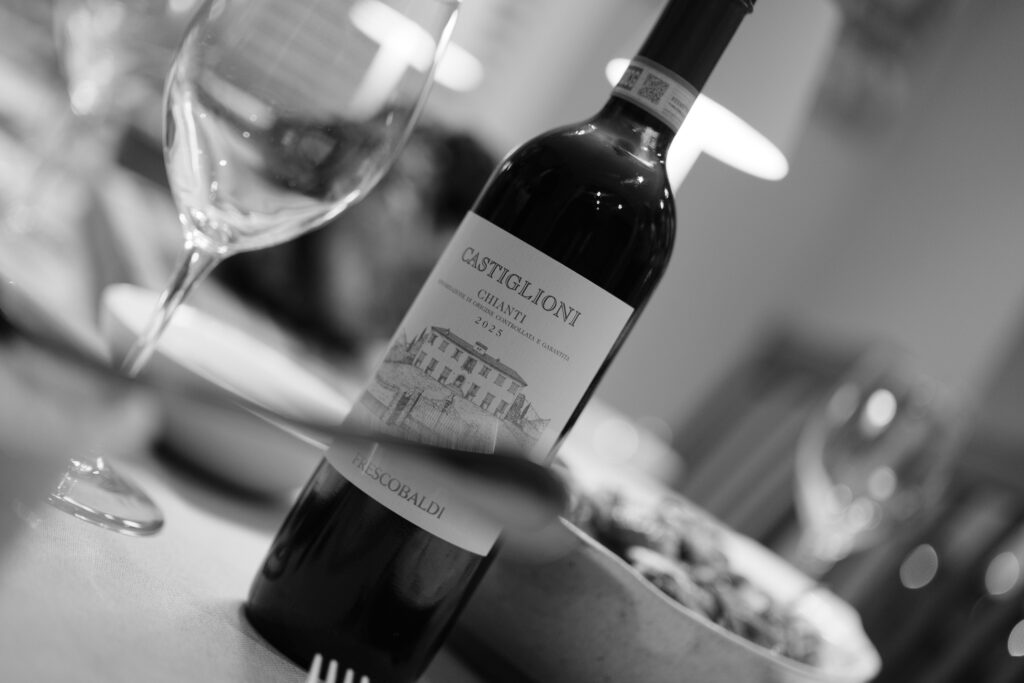
No wonder it is impossible to sit across your parents, uncle, or nepo-baby-incel-nephew when the heavily under seasoned gravy is being passed around the table. Sharing air with those who fundamentally see the world different than you in a manner which breaks every moral code is not only unappetising, it is, rather bluntly, insulting.
Over time, all of these interactions accumulate into incurable cancerous grievances, for all grievances are moral in nature. With morality being a central component in humanity, if our moral codes are dismantling, then so does our definition of whether the barely literate primate next to you qualifies as a human or not.
There is one other factor to take into account as to why we are finding each other harder to tolerate. One of the biggest concerns for psychologists is that just as in the 1970s we experienced a epidemic in rising divorce rates, now we are experiencing the same as in the number of adult children deciding to cut off all ties from their parents and family.
There has been a fundamental shift in social norms and therapy, but in professional private sessions and those which bleed on over to social media, in what we accept as admissible and reasonable behaviour.
Frankly, people do not put up with acts of unkindness nearly as much as they used to. Though many will point out that Gen Z (always quick to pick on the youngsters we aren’t in touch with) has thin skin, in reality, they and others recognize when someone across the dinner table brings up a topic to diminish others. This can be accomplished directly by mentioning an incident that puts someone else in a poor light, or indirectly by questioning someone else’s ideals on topics such as economics, politics, and immigration. People have gotten better at addressing sources of discomfort and divorcing themselves from situations where they are unfairly targeted, and in most cases without any warning.
There is hope, however. These liberal ideals that Mrs. Ardent dreamed of, and that we were fortunate to have lived in, are still in their infancy. The current state of liberalism as we know it, has only really been manifested in the last four decades. That is an incredibly brief period in our history. It’s important to remember that for the vast majority of our shared history, it was commonplace to take women and children of opposing nations and tribes as slaves, and worse, after a conflict. We humans are a lovely bunch, aren’t we?
Hope resides in the fact that we have gotten to a place where we can enact liberal ideals, implement them, and prove that they are incredibly effective. Today’s issues comes from the abandonment of these ideals simply because life got hard. The consequence for many has been to return to our default lizard brain state of looking out for oneself and just like a toddler, blame others who do not look like us for our own soiled diaper.
If we decide to avoid those whose opinions differ than ours, if we choose to devalue their existence and demote them to a point where their input, insights, and even existence is irrelevant, we are in fact giving up. Liberal ideals need to grow, adapt, and mutate as our species continues to take on new challenges that are of our own making. In fact, one of the most endearing aspects of liberalism is to give others a chance, and to keep returning to the table, especially when things become trying.
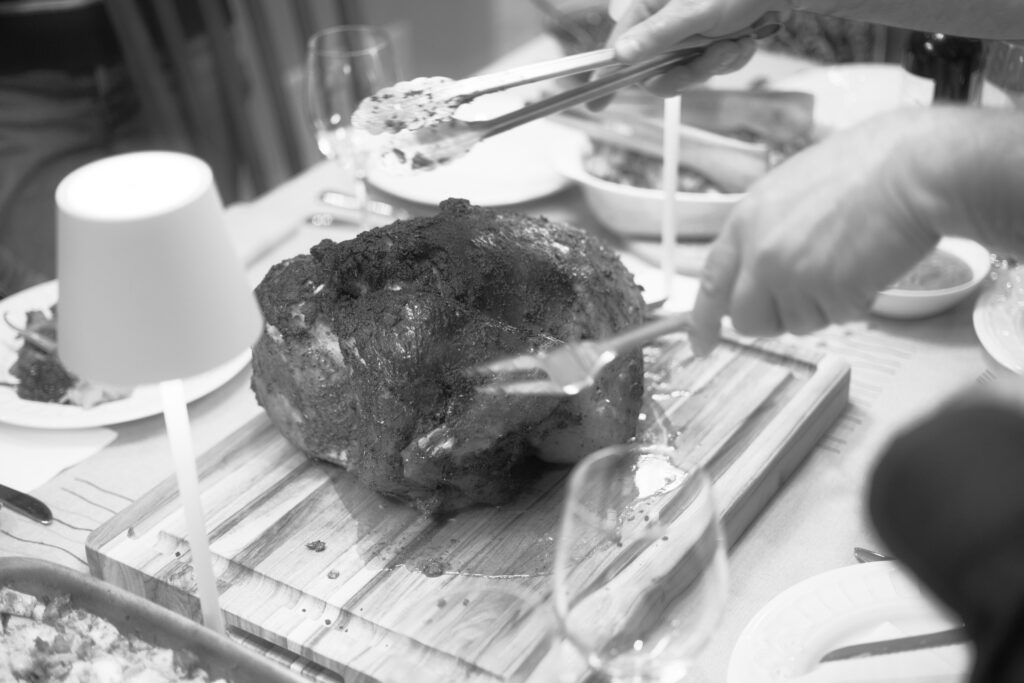
The answer to making the world a better place and one that is habitable for your children, is to pass the bread to your racist cousin, to reserve the spot on the dinner table for the uncle who gets a little too handsy with the family’s senior golden retriever, and to set aside a vegan portion of the meal for the aunt whose tiny carbon footprint is tattooed on the base of her spine.
We must not give up and let years such as 2026 win where despair and irresponsibility lead the way. There has been a little ray of light given towards us hopefully moving in this direction with this week’s US midterm election results, but as always, the vote may swing the other way if people remain uncomfortable. By giving each other a chance and to never discount one another, we can allow for the better angels of our nature to acclimatize to our warming planet, and our ever-changing ambitions.