1,204 words
In 2005, while taking a break from studying, I somehow stumbled on a late-night showing of the episodic series Ghost in the Shell: Stand Alone Complex. I was familiar with the franchise through the movie, but was always put off by, and let me be direct here, the perverted aspects of the series across all of its mediums.
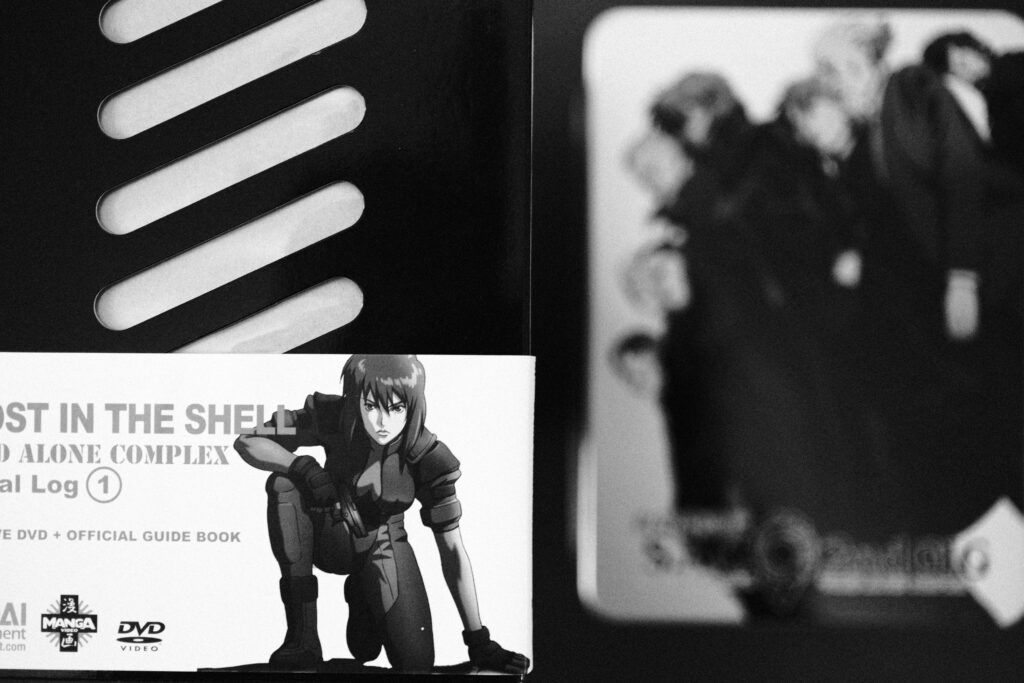
It was about 01:00 in the morning, and I had set aside the textbook I was studying for the midterms. My friend was finishing her shift at the bar in the university town I was in, and I had a little time before I was due to pick her up. I turned on the television, and the opening theme song, sung by Origa, grabbed my attention. What I viewed was unlike the movie or brief depictions I had seen from the manga that the entire franchise was based on. This felt different. It felt like something I would have seen on HBO. In fact, the show’s tone felt at home alongside The Wire and The Sopranos. The usual little incongruencies due to the cultural and language barriers aside, I was compelled to watch more, if I could.
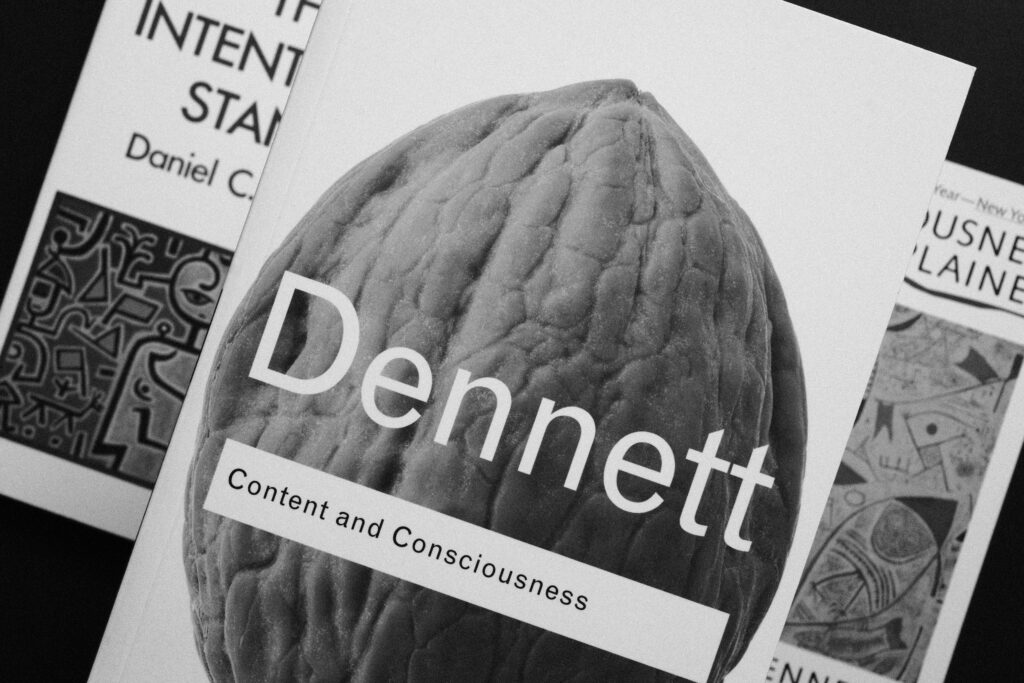
The series seemed deeply focused on the philosophy centring on consciousness, and the production was spectacular. Questions about artificial intelligence squarely put it within my readings of the then Tuft University professor Daniel C. Dennett and his many books, which I was devouring then. The show had its fair share of scantily clad women, but it was not like the pornographic manga, and thus, I powered through some of the needlessly awkward scenes and was a fan.
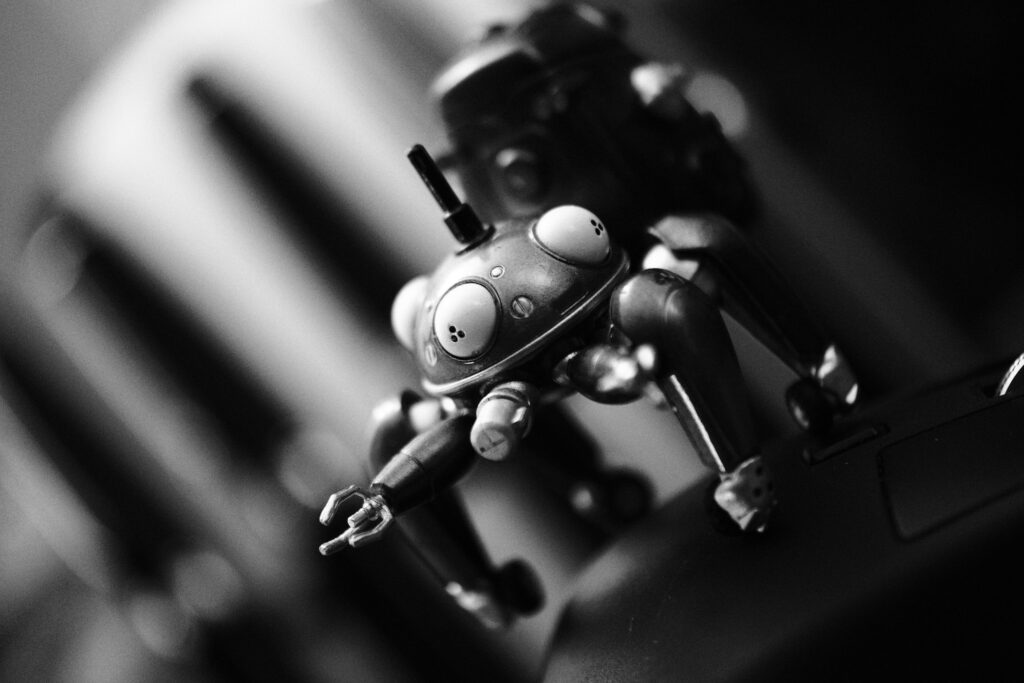
The point at which the show became one I would remember for years to come came late in the second and final season. The special forces unit around which the series centres, called Section 9, utilizes AI spider tanks called Tachikomas. Presented as childish and playful, these AIs seemed to have gained consciousness, sacrificing themselves while singing a touching song to ensure the mission’s objectives were met.
A couple of weeks ago, my messages folder lit up with friends sharing links for the new show, which is slated for release this summer. I was initially excited. The first sign of trouble was a link to an announcement about a special-edition Casio G-Shock watch. The watch predominantly featured a drawing of the franchise’s lead character, Major Motoko Kusanagi, nude from behind, as she is sprawled out on the floor with cybernetic wires connected to her. There are many other visuals and stills that are instantly recognizable for the series, yet this was the one that was chosen.
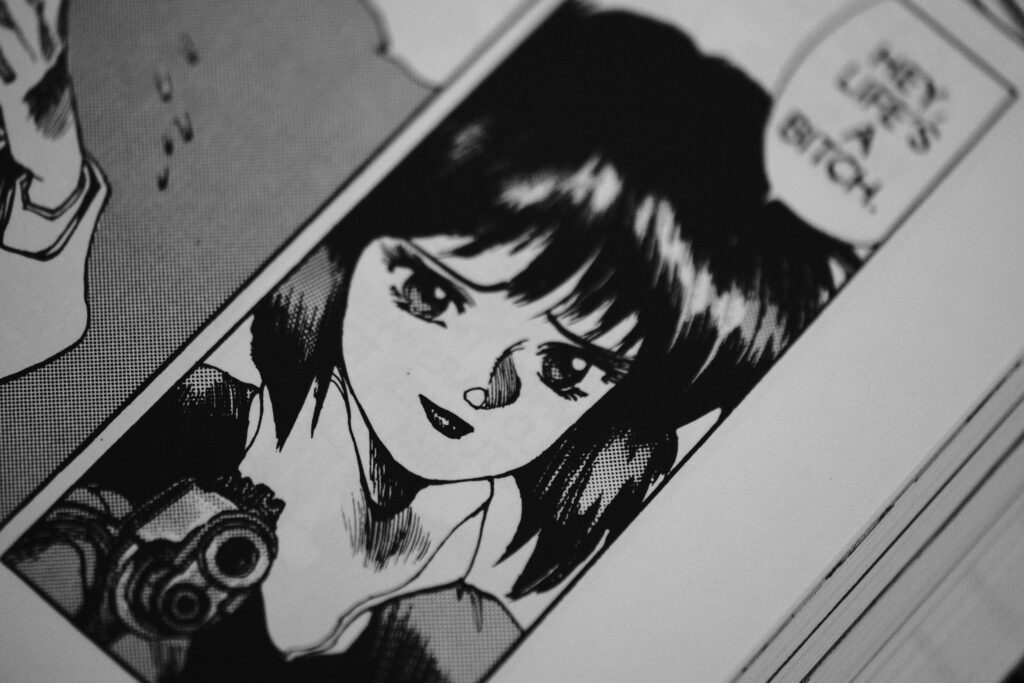
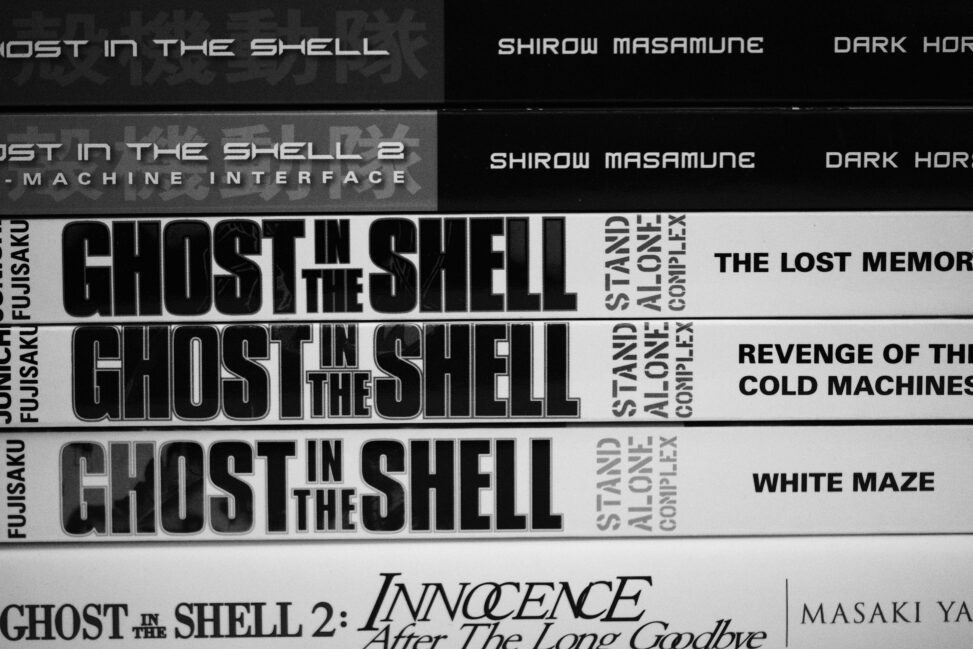
This led me to my library, where I had several copies of the original Ghost in the Shell manga and books that followed. What I saw was unpleasant yet more troubling than I had expected. Out of the six hundred illustrated pages, there were four pages in the third issue which were explicit pornography. The rest of the issues had gratuitous crotch drawings with the Major and other women placed in compromising positions. Later issues simply did not draw the details of the nude bodies depicted within the frames, which I was told was a common practice after pressure to be less graphic was applied. What I was not expecting was to see one frame of a woman in a compromising position, then on the next page, having them behave like a child below the age of ten. Exaggerated gestures seemed to be used in infantilizing the lead character, while also sexualising them.
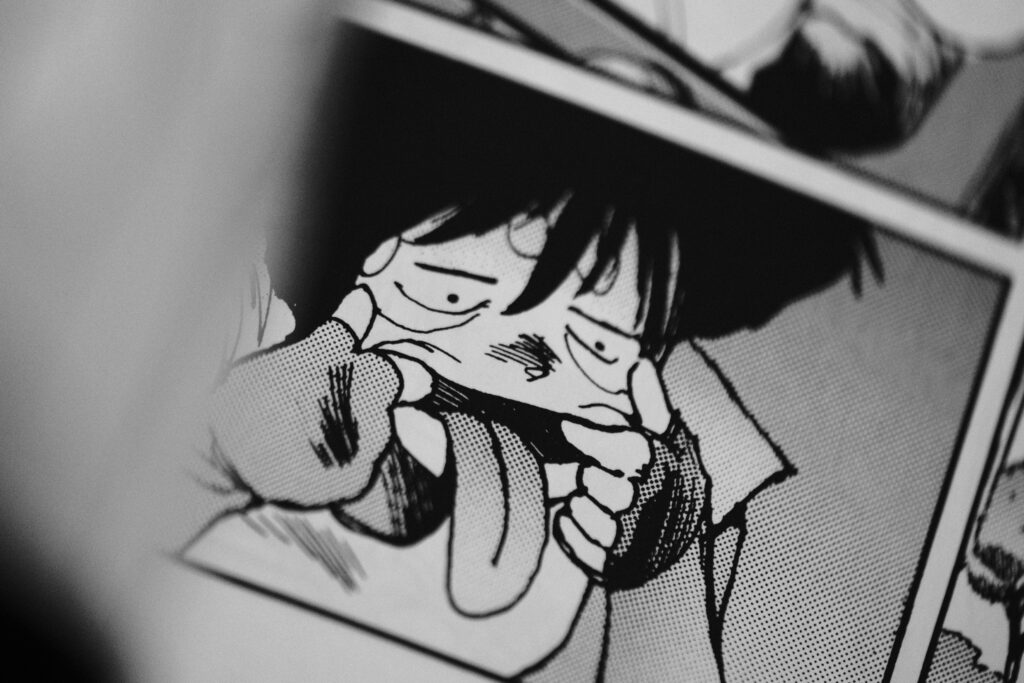
This, I was not expecting.
I brought this up with some people who are far more familiar with Japanese culture, and that of Mangas, and all of them said, verbatim, “don’t worry about that… it just didn’t age well.” I’m sorry, but this is not an excuse for behaviour and depictions which are indisputably disgusting.
This brings us to the new series and its claim that it is going to be a faithful recreation and representation of the original manga by Shirow Masamune. There were many topics and issues of merit raised in the franchise, especially in the Stand Alone Complex series, but reverting to the puerile nature of the Mangas is a mistake.

The franchise had seen multiple reboot attempts in the past, and each was filled with fan-service set pieces from the original manga that did nothing to advance the plot. Outside of the two seasons of Stand Alone Complex, all the reboots fell flat and amounted to nothing. This was mainly due to the writing never elevating itself to the point where it could address relevant issues outside the original works before the Stand Alone Complex series, while never fully growing up past the masturbatory material that underlies every passing page. The audience deserves something better, and if we are forced to revisit the same source material every half-decade, this speaks poorly of whether the audience itself is worth consideration. The audience gets what they deserve.
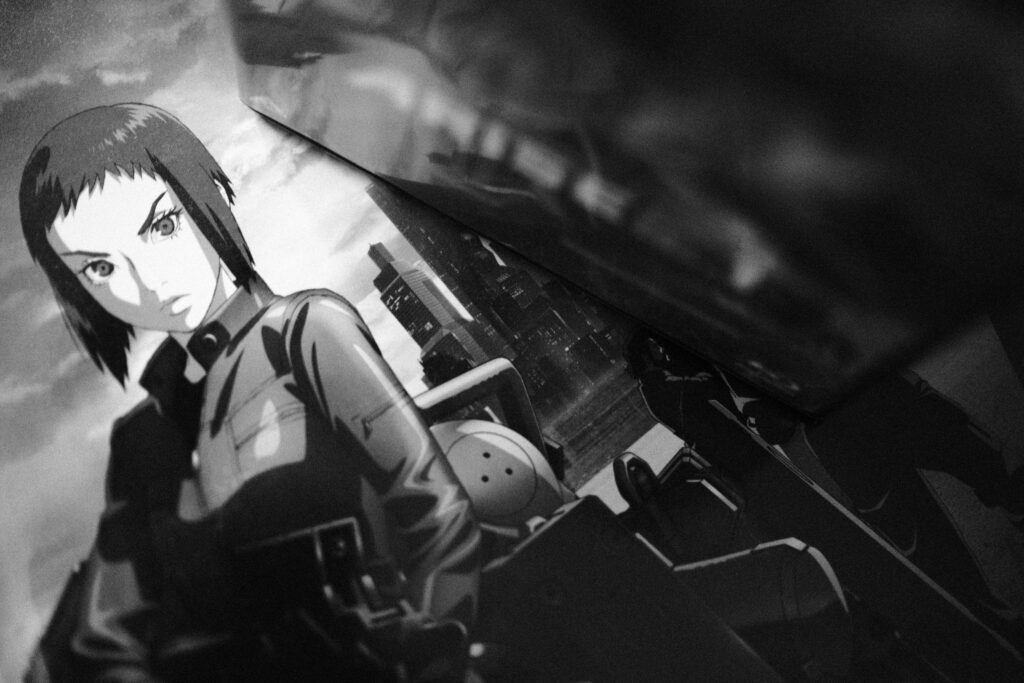
Many franchises and their adaptations have often come under attack for deviating from the original material they were based on. Netflix’s The Witcher is the most glaring example, while Amazon Prime’s Fallout series managed a fair degree of success due to staying close to the original material.
The question is whether the original content was strong enough to support adaptations. In the case of The Witcher, whose books were written by Andrzej Sapkowski, the show decided at first to base itself on the books. Sadly, the books are riddled with plagiarism and are downright hollow and pedantic, at times filled with too much exposition and not enough descriptors to properly lay out the settings. The games made by CD Project Red were far richer and more mature, as they set their games far in the future of the books and were not constrained by the poorly written books. The show faced an issue: much of the audience expected the same level of quality from the games and not from the books, and thus failed miserably. The matter of the showrunners deciding to take the entire project off the rails into random directions was another matter, for the show was ruined far before that point.
The upcoming The Ghost in the Shell show is basing itself on the weakest, most vile, and most convoluted material that it could, simply for fan service, and to sell a lot of merchandise. It seems the tactic used to sell Gen X toys in the 1980s through cartoons is still at play, as both Gen Xers and Millennials now have disposable income as adults.
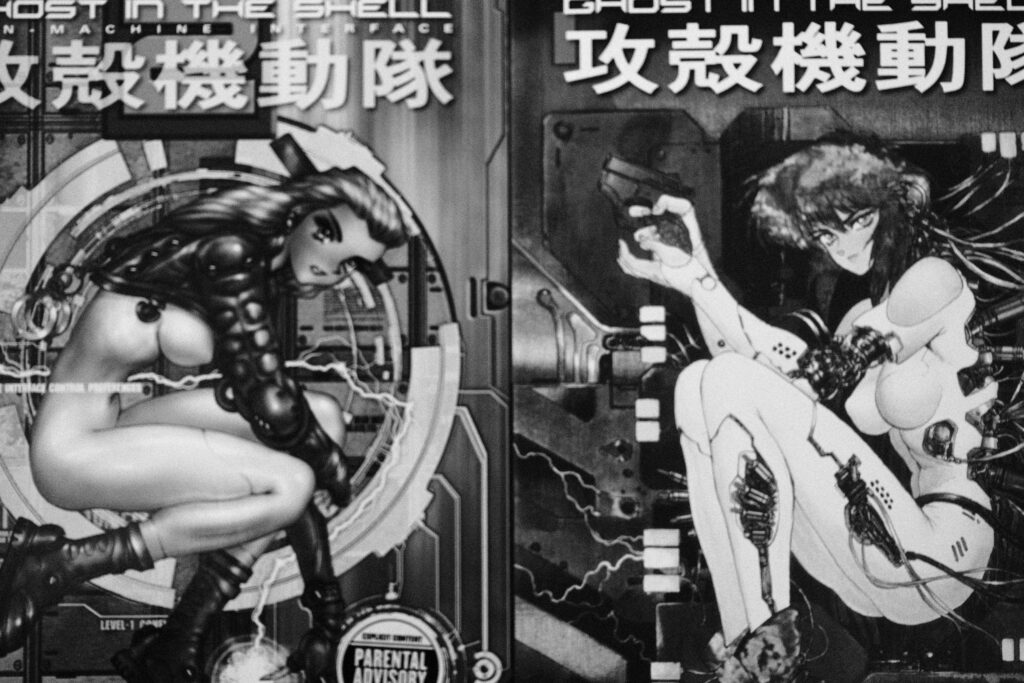
My initial hope to see an entirely new take on the franchise, like what the Stand Alone Complex series managed to do over two decades ago, was immediately crushed. I have no problem with drivel being produced because the audience ultimately gets what it deserves if they stand by a franchise long enough. However, regressing back to the pornographic and pedophilic garbage from the franchise’s inception is inexcusable. If you are like me and were primarily exposed to this franchise through the Stand Alone Complex shows, lower your expectations for the new series this summer. It might be best not to give it a chance.
Time of writing: February 24th, 2026