1,593 words
Time of writing: Tuesday, September 29, 2026
Note: The long-form review of the Orphic Project 0 will be available here once it is published.
Introduction:
Earlier this year, something truly special graced the horological market, and it mostly went unnoticed. Orphic, a new brand under Leonardo Tsai, who also founded the brand Selten, released the Orphic Project 0, and it is simply a work of modern art that happens to tell the time. Since their inception, watches have been subject to ornamentation and treated as works of art. Unfortunately, these works of mechanical art were and are typically reserved only for those with the deepest of wallets throughout time. Whether it be the gorgeously hand-painted and sculpted dials on Vacheron Constantins, modern MB&Fs, or the many works by Urwerk, of which this Orphic most closely resembles, these timepieces are always out of the reach of the masses.
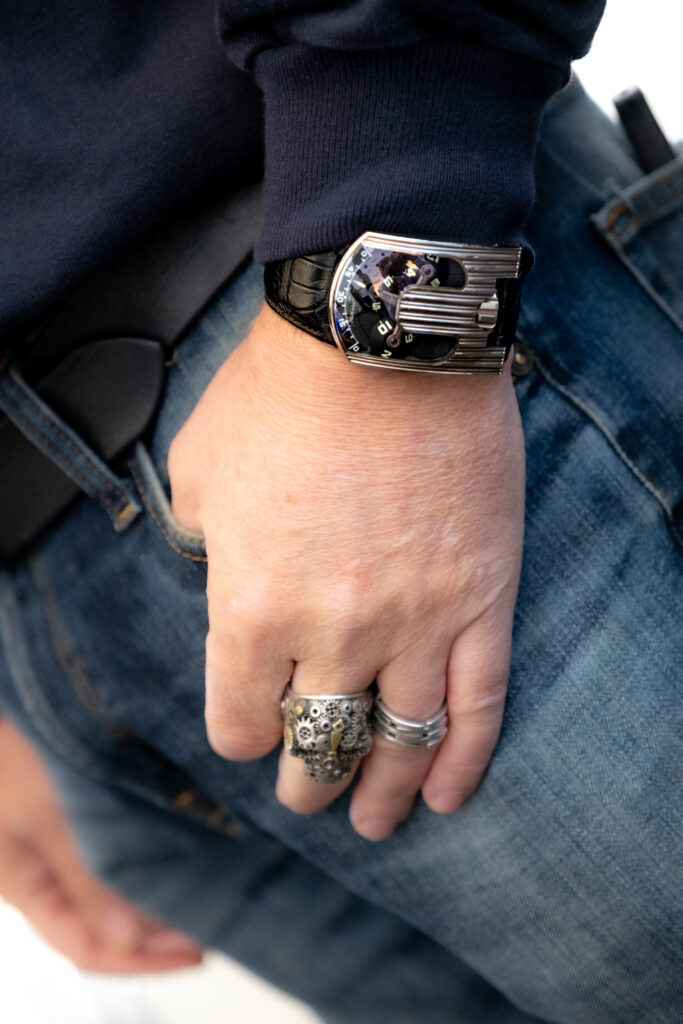
Urwerk
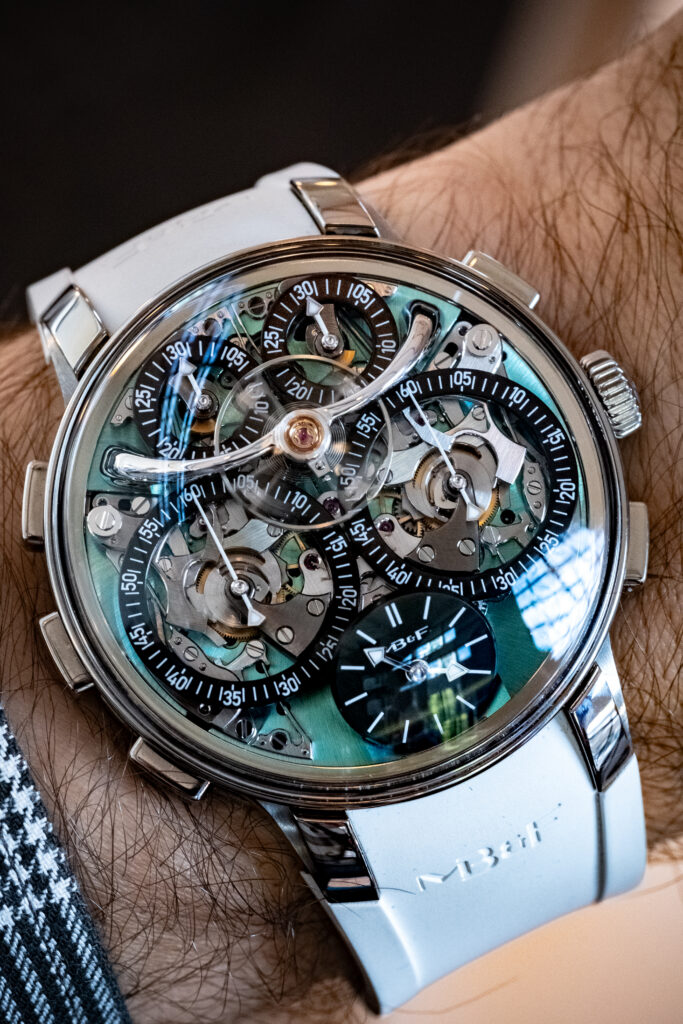
MB&F
Mr. Tsia brings this level of art and design to an accessible price range. By taking inspiration from the James Webb Telescope and by leveraging a modified Miyota 9039, not to be confused with the Miyota 90S5, for its satellite hours complication, he has created something which has, in one case, actually stopped traffic due to its brilliance.
Experience:
“What the heck is on your wrist?” asked the food delivery driver on his electric scooter as he came to an alarming halt on the side of one of Toronto’s busiest streets, nearly causing a pile-up of other delivery drivers who were more fixated on their phones while in motion than what was happening in front of them.
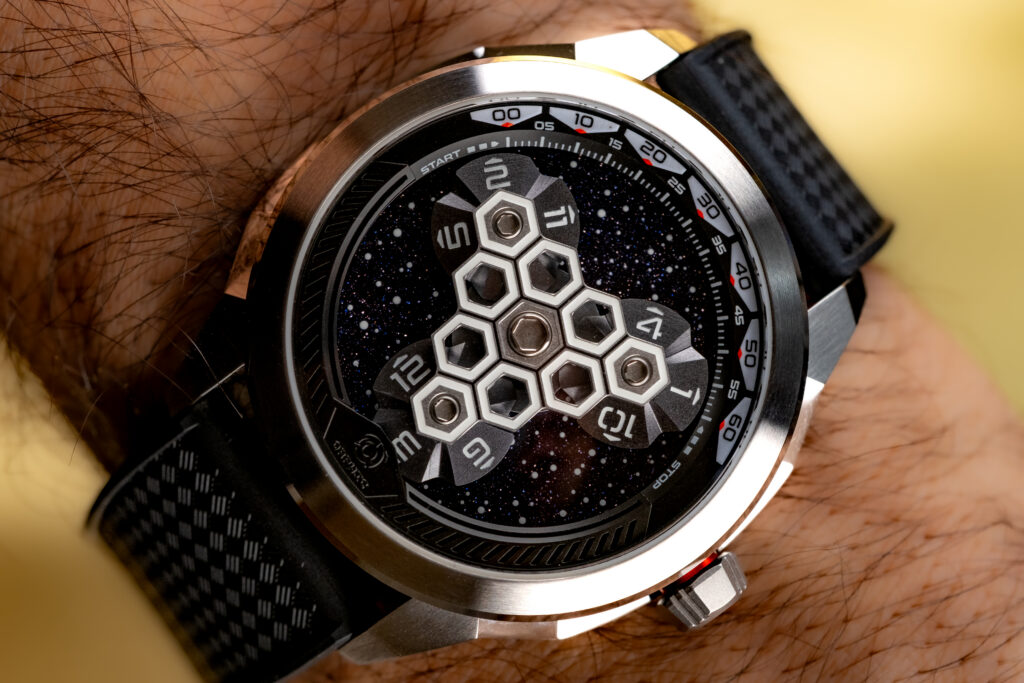
“It’s an Orphic, spelled Oh-Arr-Pee-hAitch-Eye-See, and they are based out of Hong Kong. Look them up,” I replied as he set off after simply giving me a nod. I then quickly learned that the Orphic Project 0 would garner the same level of attention as driving a convertible hypercar every time I would wear it.
Whether you wear it on the leather or rubber strap, and regardless of which of the three dial variants you choose, you will always be aware of there being something highly abnormal on your wrist.
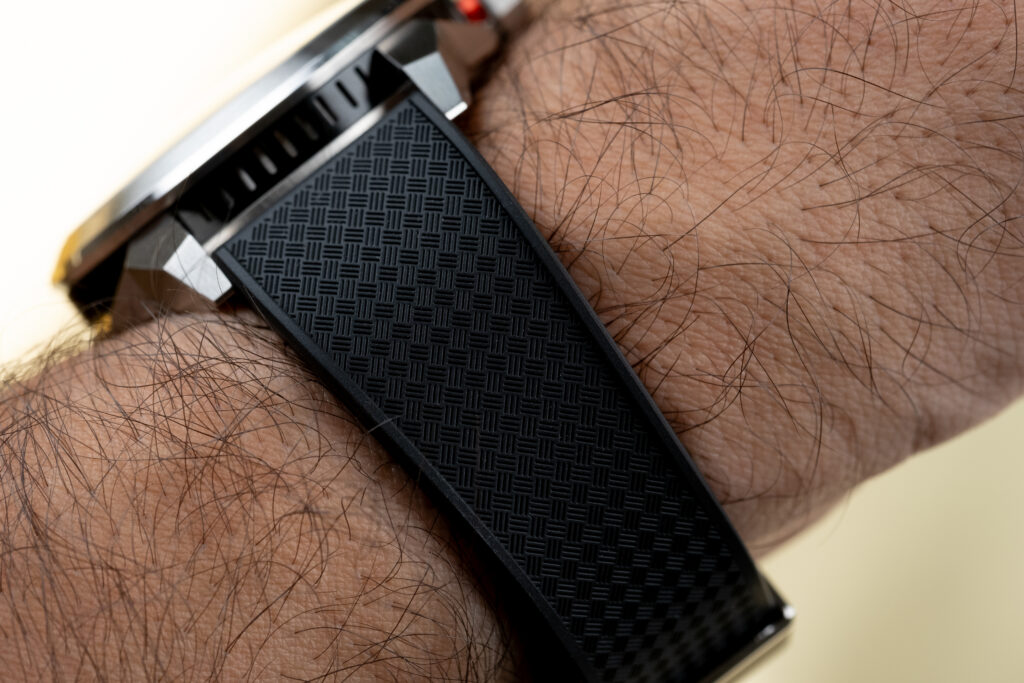
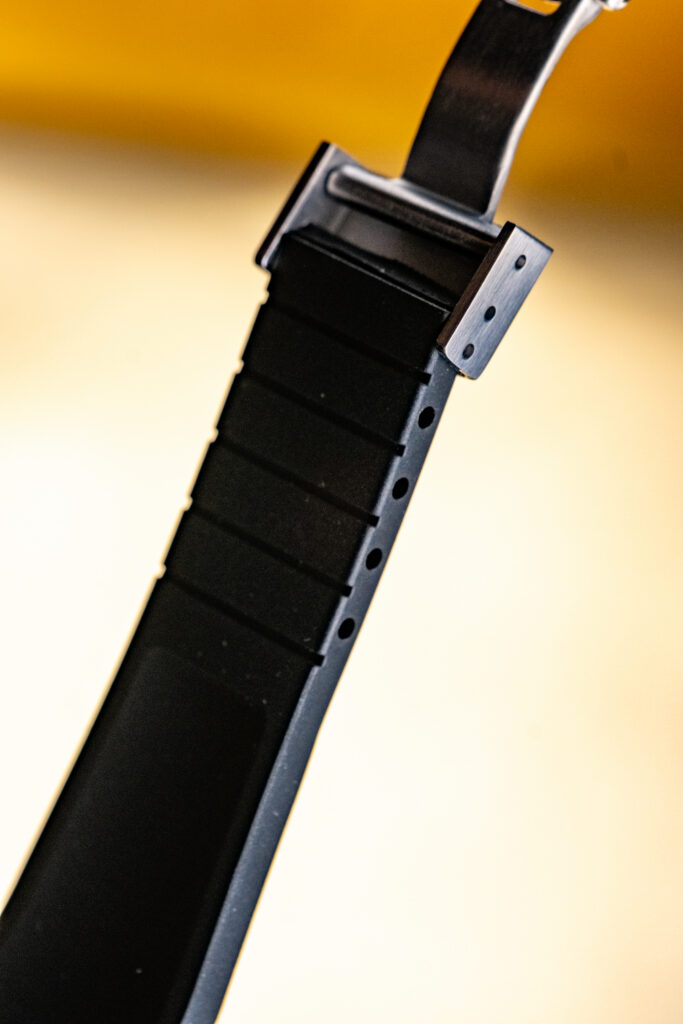
Thankfully, the dimensions and design of the timepiece mean that it is extremely comfortable and will look perfect on any wrist with a diameter larger than six inches. The available rubber strap is lighter, so you will forget that it is on your wrist until you notice the inevitable gaze of strangers at your wrist. Because of its highly avant-garde design, this timepiece will make itself at home in every single environment, regardless of how formal a setting it finds itself in.
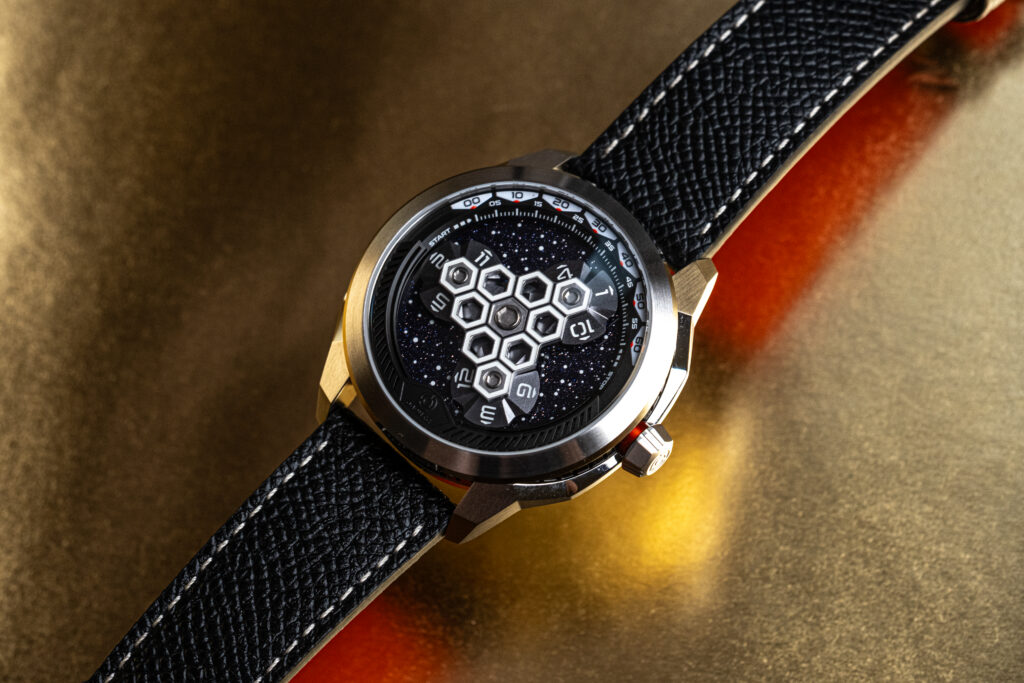
Outer Design Elements:
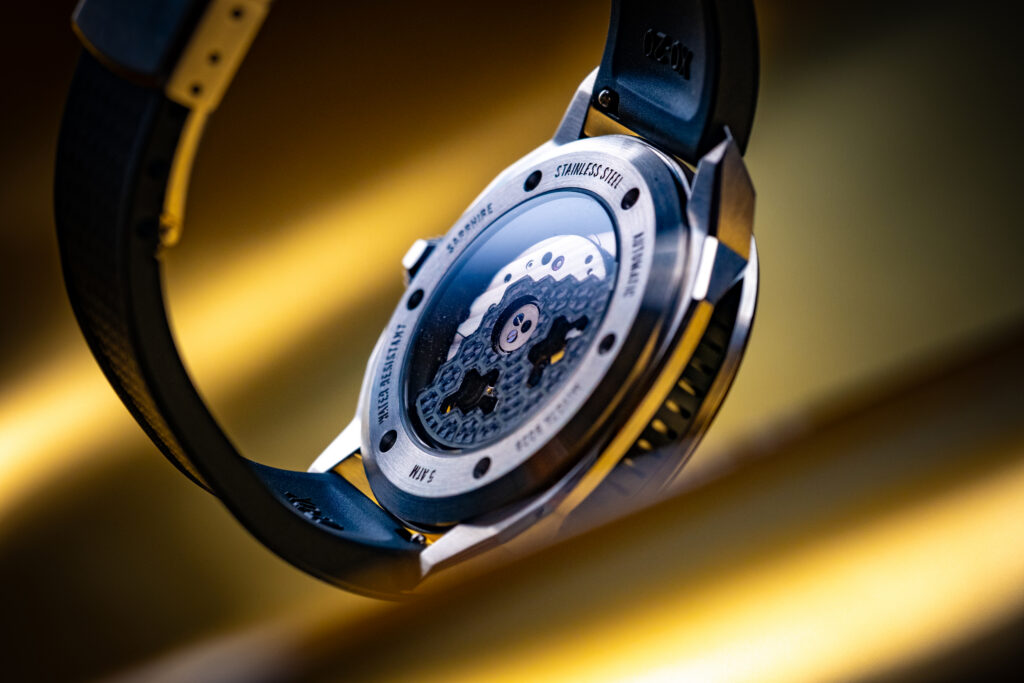
Though not the main attraction, the case of this watch holds its own and accomplishes a lot on its own to support the stunning dial and satellite hour complication. Sitting on top of a sapphire crystal exhibition caseback, the entire case is designed to give the impression that it is made of three separate pieces. This is achieved by straight-edged, statuesque lugs that stop just short of meeting the beautifully satin-brushed bezel. The middle of the case houses a grated black metal rim which levitates the top of the case and the inside of the watch off your wrist. The overall effect is that the watch truly never sits on your wrist, but is in a geosynchronous orbit around it. Fitting, given what the watch takes its inspiration from, as it now orbits us at the second Lagrange point, one and a half million kilometres away around our beautiful planet.
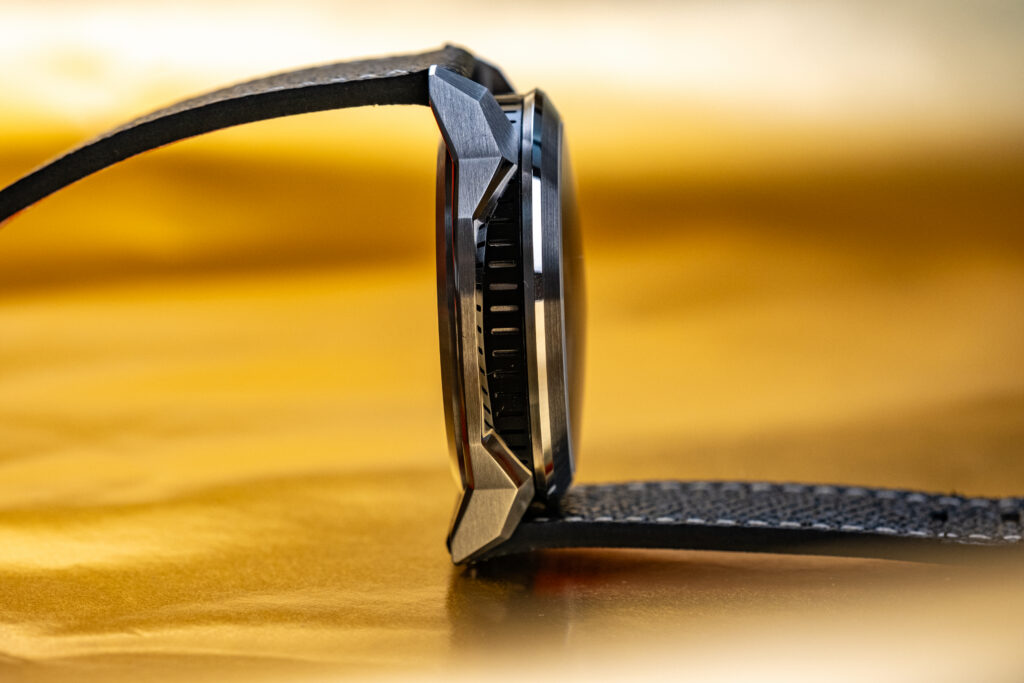
The clever use of polished and brushed surfaces further emphasizes the different sections of the case. The brushed sections diffuse the light in a counter-intuitively sharp manner. True, the light reflecting off the 316L Stainless Steel case is muted and dispersed, but it also transmits a minuscule array of colours, giving these sections an oddly welcome pleonastic character. The polished sections accentuate the sharp lines that really come into their own when viewed from indoor environments. There is no mistaking this watch as a modern work of art.
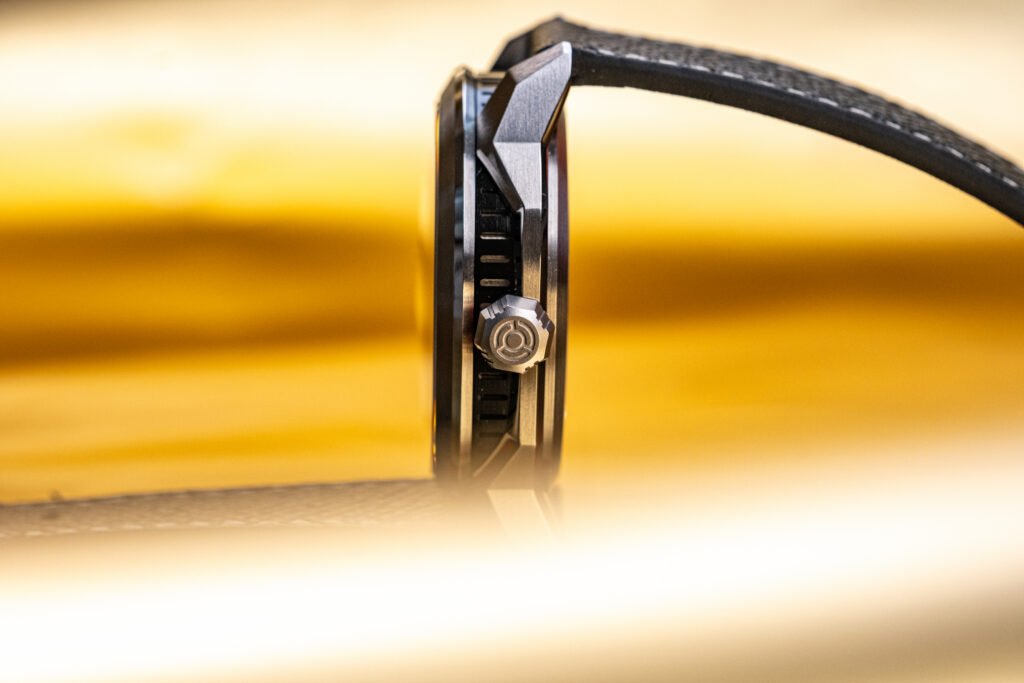
The signed crown adds visual interest with its exposed red metallic stem. This immediately calls attention to where one operates the watch, and it also gives the watch a sense of urgency that would be missing otherwise.
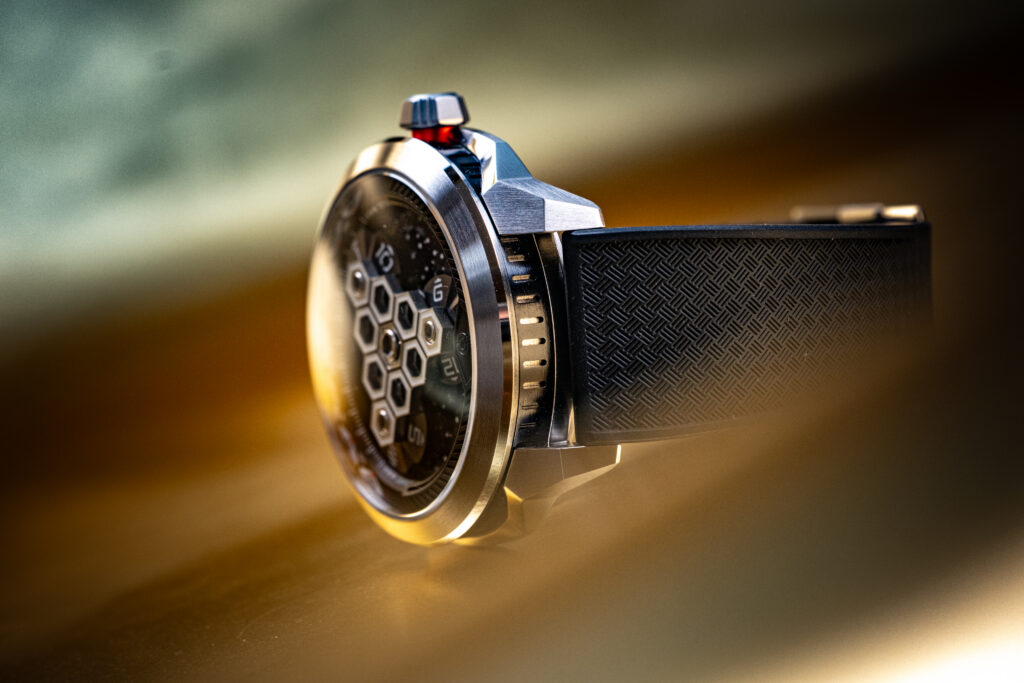
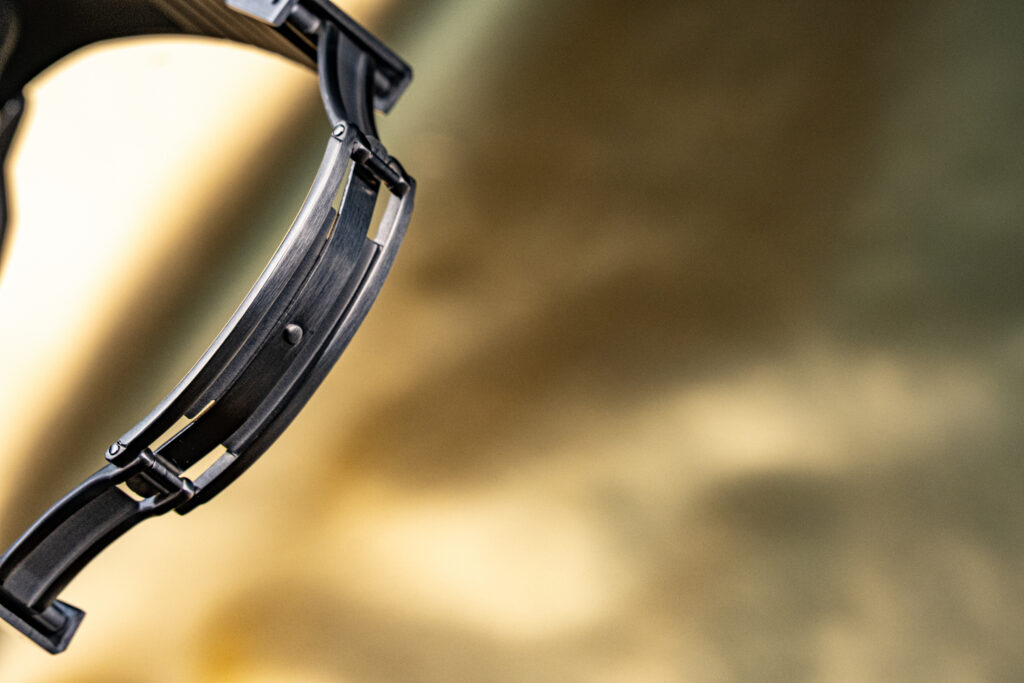
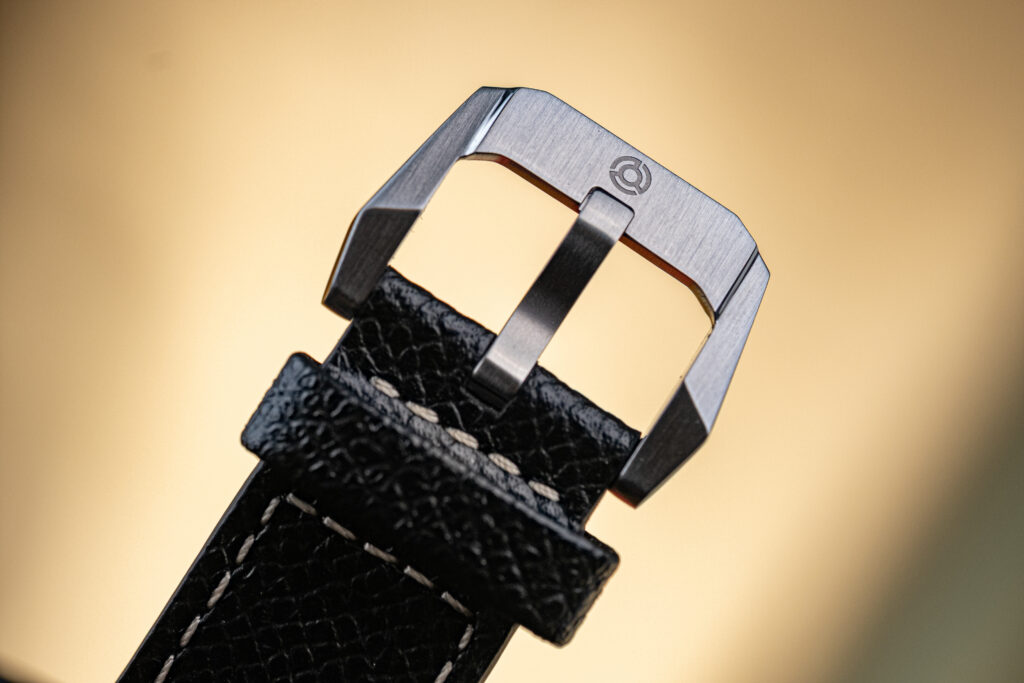
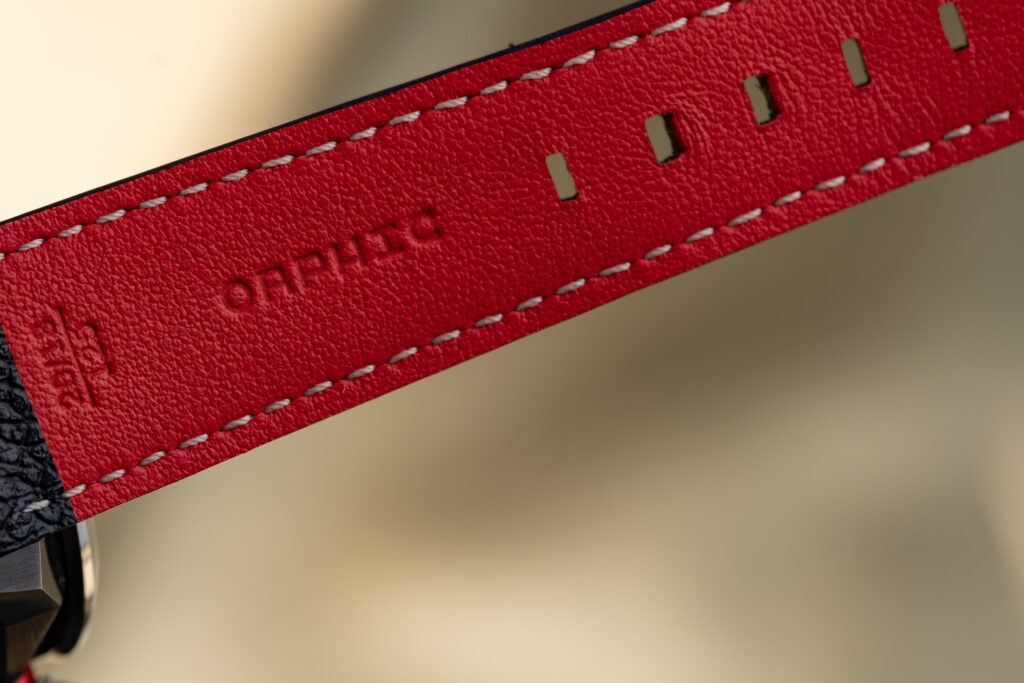
The stitched leather strap has a red underlining responds to the crown’s stem, while its signed buckle utilizes the same attention to detail in finishing as the rest of the case. There is no mistaking that this crown was designed in unison with the rest of the watch.
Interior Design Elements:
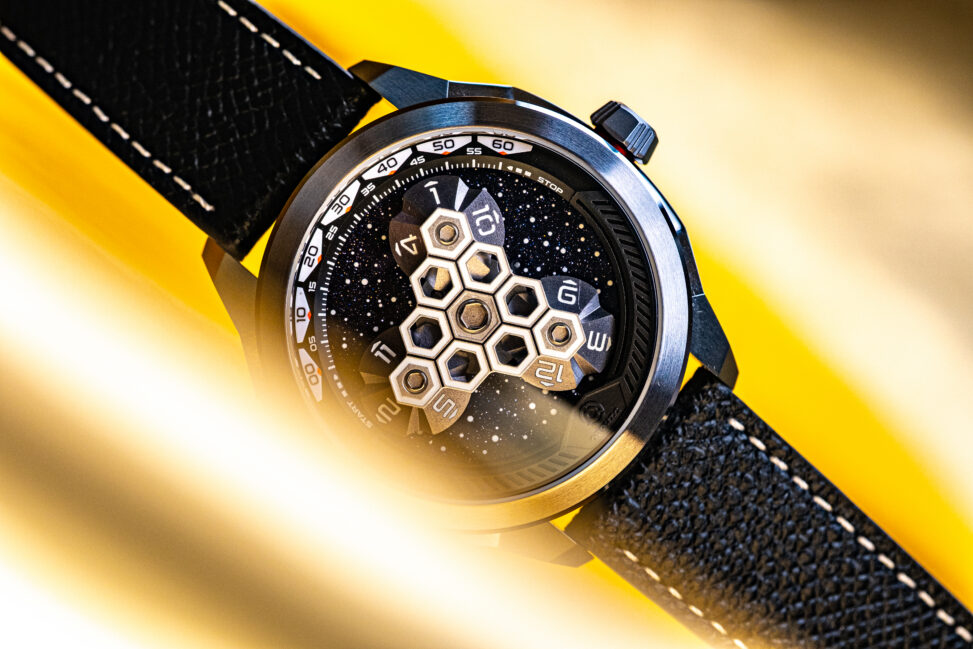
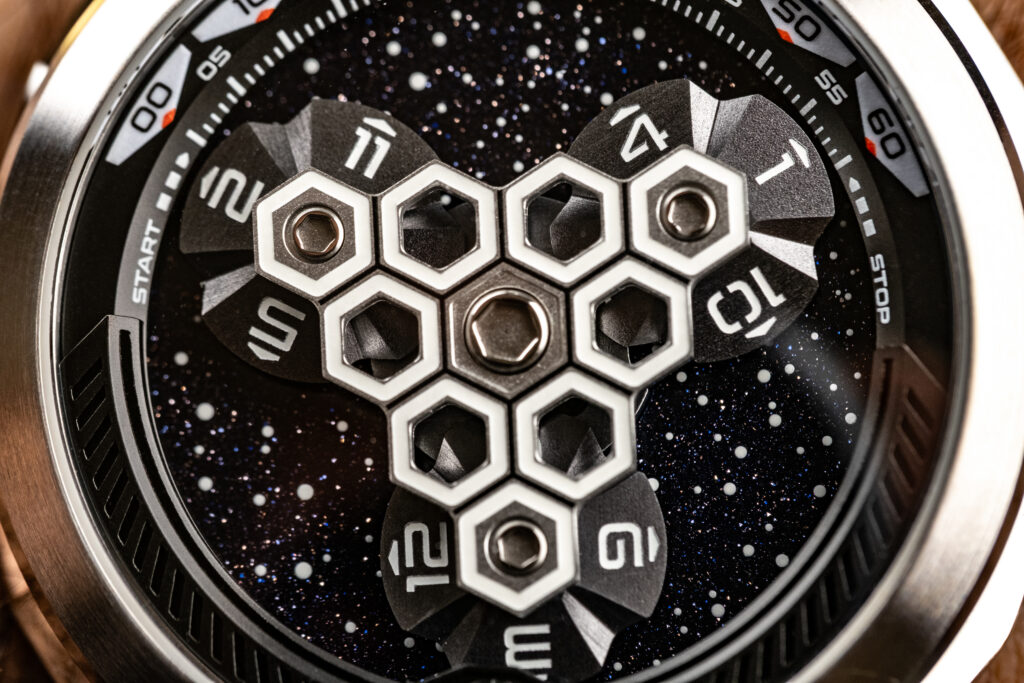
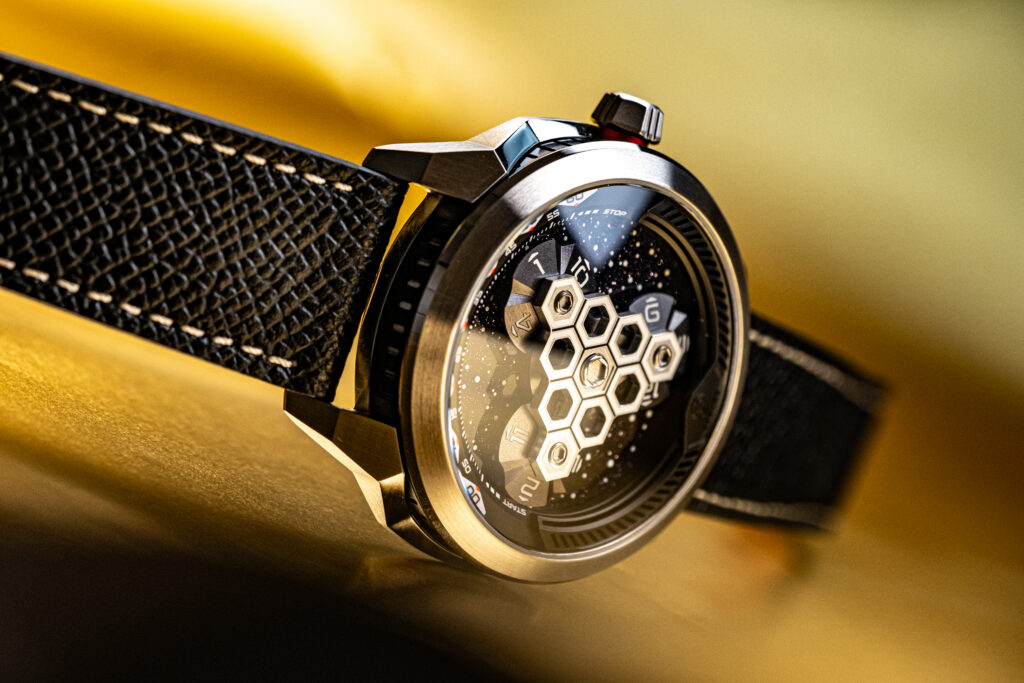
The satellite or “wandering hour” complication of the Project 0 is the headliner and what attracts the attention of every sentient being within eyesight of it. The heavily modified Miyota 9039 no longer motivates the traditional hour, minute and seconds hands, but a giant rotating tri-sectional bridge which also comprises of three rotating discs where the hour markers reside. There is one drawback from asking this movement to take on this extra workload. Just as one would not expect the same level of efficiency from the same engine in a truck or a subcompact car, the reduction in the movement’s power reserve from 42 to 36 hours should come as no surprise. The watch still beats away at 28,8000 beats per hour, but, you will need to keep an eye on this watch when it is not frequently worn.
Over the decades, we have come to expect mechanical watches to have a power reserve of 42 to 48 hours from standard movements from ETA, Sellita, Seiko, and Miyota. I also did notice that within the last six hours of power remaining, this watch did start to noticeably lose time. So, the one piece of consumer advice I would impart is to simply manually wind the watch a couple of times a day if you can, again, if it is not worn throughout the day.
It is quite difficult to tell the time at first glance. One of the tests I give to the beautiful people in my life who have tragically had their lives sidelined by dementia is that I simply ask them to read the time on a basic three-hand watch. If they are struggling, I then know to approach them with less activity and fewer words, and focus on making them comfortable. Every time I presented them with the Orphic, they shrugged their shoulders while smiling at me. Their eyes softly told me that they did not stand a chance in reading the time, but that they were happy and grateful that I was there with them.
The minutes are displayed on the top hemisphere of the outer chapter ring. The tracked minutes from 00-60 are clearly marked in white. Every ten-minute interval is emboldened with a larger section is also treated with luminescent paint. The rotating hour discs clearly then point to the minute track to tell you the precise time. There is no seconds hand, and this results in a very calm and almost static cosmic landscape.
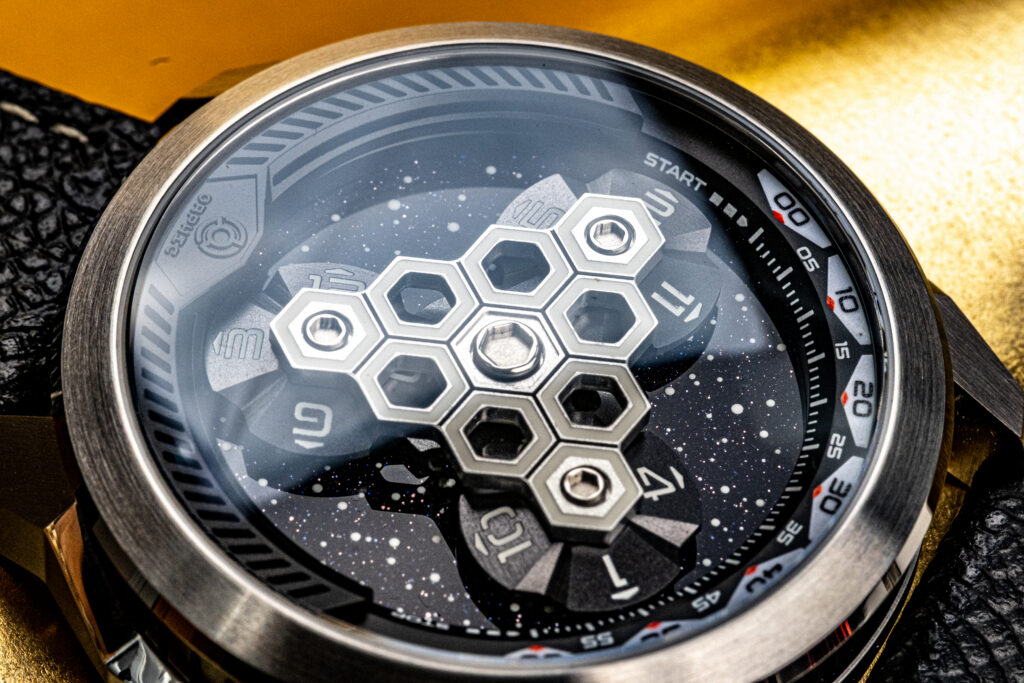
I opted for the aventurine dial, called stardust by Orphic, and it is knee-buckelingly beautiful. Exotic stone dials have been more readily available in timepieces, and as a consumer without infinite funds, I am very grateful for those who have painfully endeavoured to make the mining and manufacturing of these dials something that can be attained without having to pay a couple of months’ mortgage towards a watch. There has been one severe consequence of choosing this dial. It is so beautiful that it has been an incredibly distracting watch to wear. With every stellar sparkle, I stopped in my tracks. If it is a sunny day, do not plan on getting anything done.
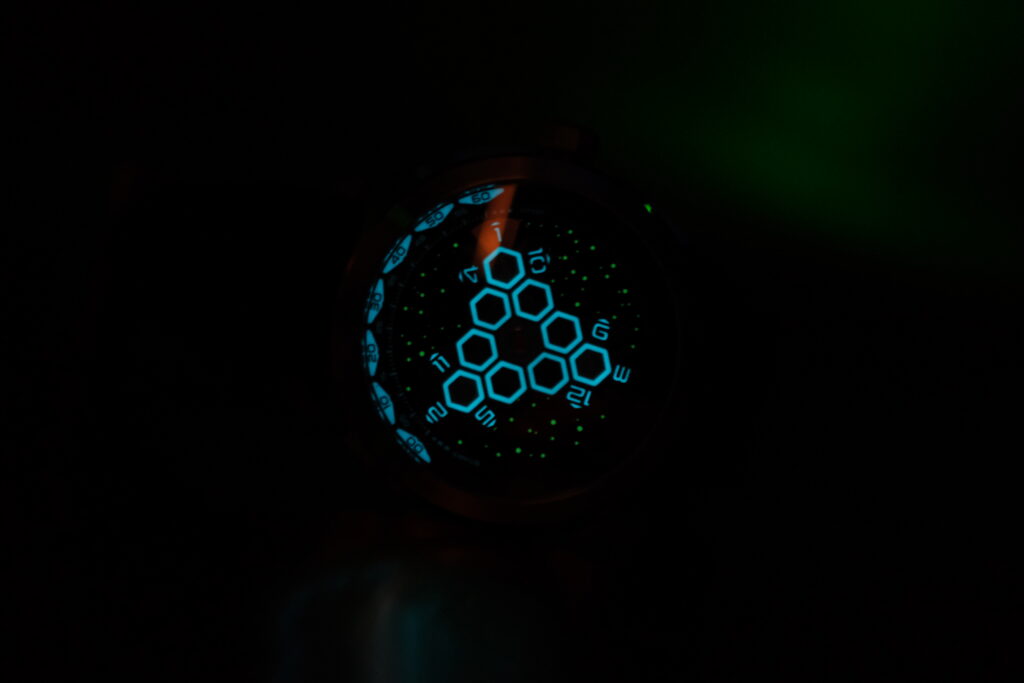
This watch has many more layers than initially meets the eye. Starting from the top is the raised, grated, black-signed metal section at 6 o’clock, which mirrors the case’s midsection. Then is the aforementioned minute track, which angles downward for the tracks and the “START” and “STOP,” which indicates when the hour has begun and ended. Below that is the aventurine dial that sits atop a lumed disc.
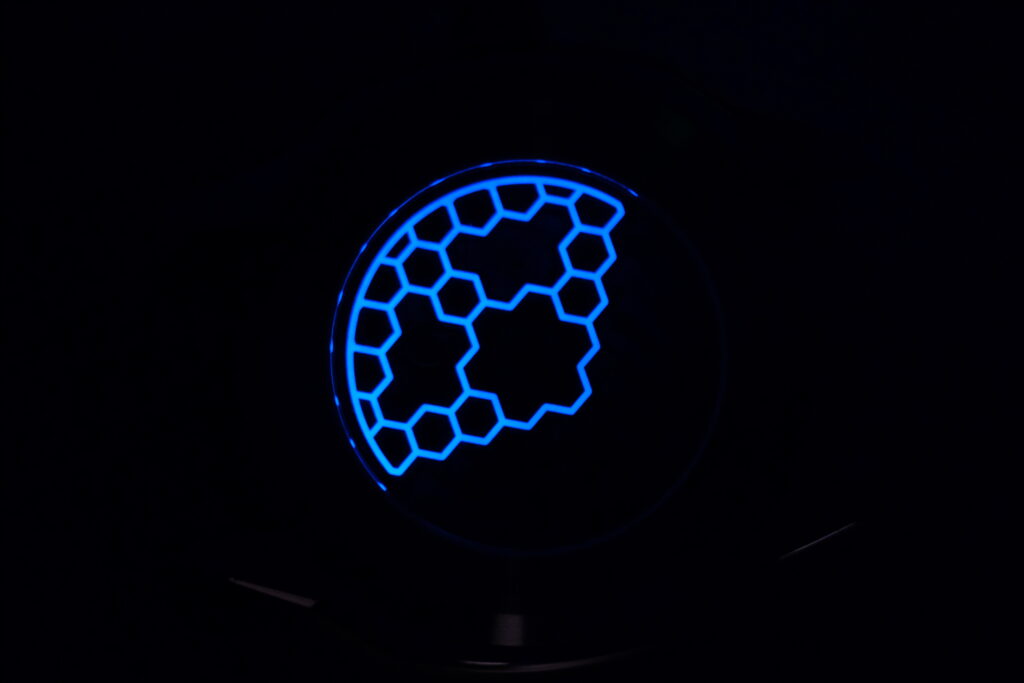
The first time I have seen anyone apply luminescent paint to the rotor of a watch.
The rotating hour bridge and hour discs were designed after the mirrors of the James Webb Telescope that launched on Christmas Day five years ago. Those 18 mirrors are made of beryllium, and they are coated with gold. It would be nice to see a second version of this timepiece have this section either in gold or plated in gold to keep the cost down. For you camera nerds, the focal length of this behemoth of an observatory in space is a whopping 131.4 metres. The telescope’s three infrared sensors have already led to several discoveries and given us a new understanding of the universe
Closing Thoughts:
The Project 0 has given me a new perspective on timepieces. Legibility and functionality were and remain the priority, and I genuinely need a clear seconds hand for work and my personal life. Like the Selton M1, however, this Orphic simply slows down time. It will also distract you from your tasks and phone, and that is not an entirely bad thing.
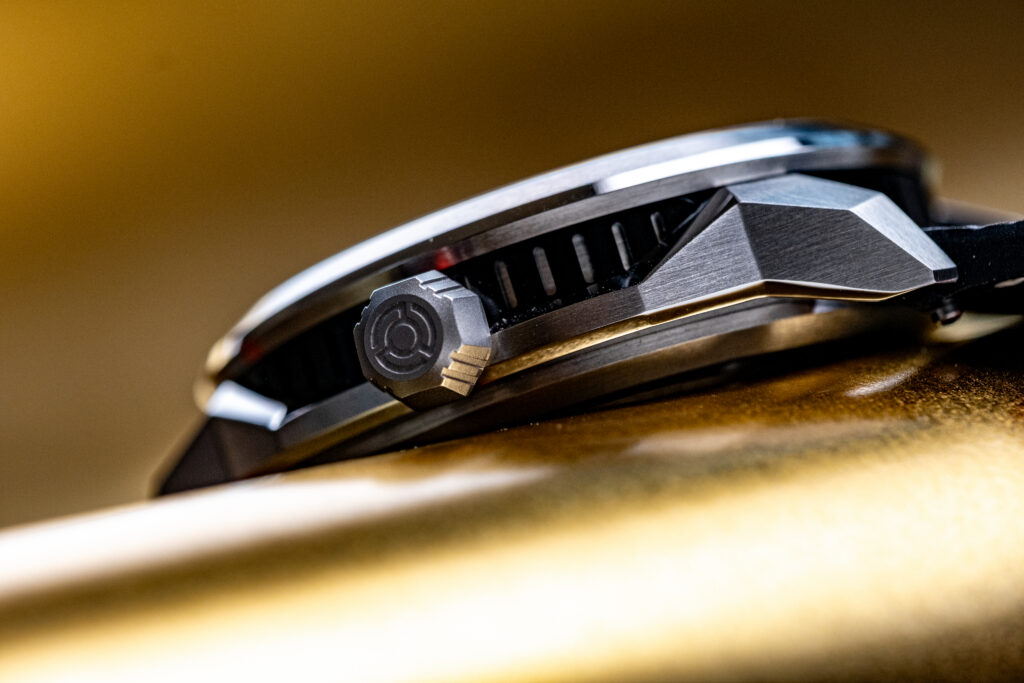
If you plan on buying a Project 0, then there are a couple of things that you should know. First, you have three dial materials to choose from, so you will need to do a fair bit of soul searching before committing. Second, the rubber strap is available for $70.00 CDN, and I bought an additional strap in the off-white colour. Lastly, you can choose whether the crown is on the right or left side of the case. I am incredibly happy with the decisions I made, and this Orhpic will be on my wrist for many decades to come.
Specifications:
Model: Orphic Project 0
Diameter: 40mm
Lug Width: 20mm
Thickness: 11mm, 14m including Crystal
Lug-to-Lug Distance: 47mm
Case: 316L Stainless Steel
Crystal: Double- Domed Sapphire
Water Resistance: 50m
Movement: Miyota 9039 (modified)
Power Reserve: 36 hours
Dial Options: Nebula, Void, and Stardust
Crown Orientations: Right, Left
Strap: Leather FKM Rubber Strap Available for $70.00)
Price: $1,271 CDN